ĐẮK LẮK — Under the blazing sun of the Buôn Đôn dry forest, mahouts from the Đắk Lắk Elephant Conservation, Animal Rescue and Forest Protection Management Centre trek alongside elephants in search of water and food, while tending to their health.
With the province’s captive elephant population now down to just over 30 individuals and facing decline due to ageing and low reproduction rates, conservation work has become increasingly urgent.
Beyond a professional duty, protecting these animals is also a race to preserve a cultural symbol of the legendary Central Highlands. VNS
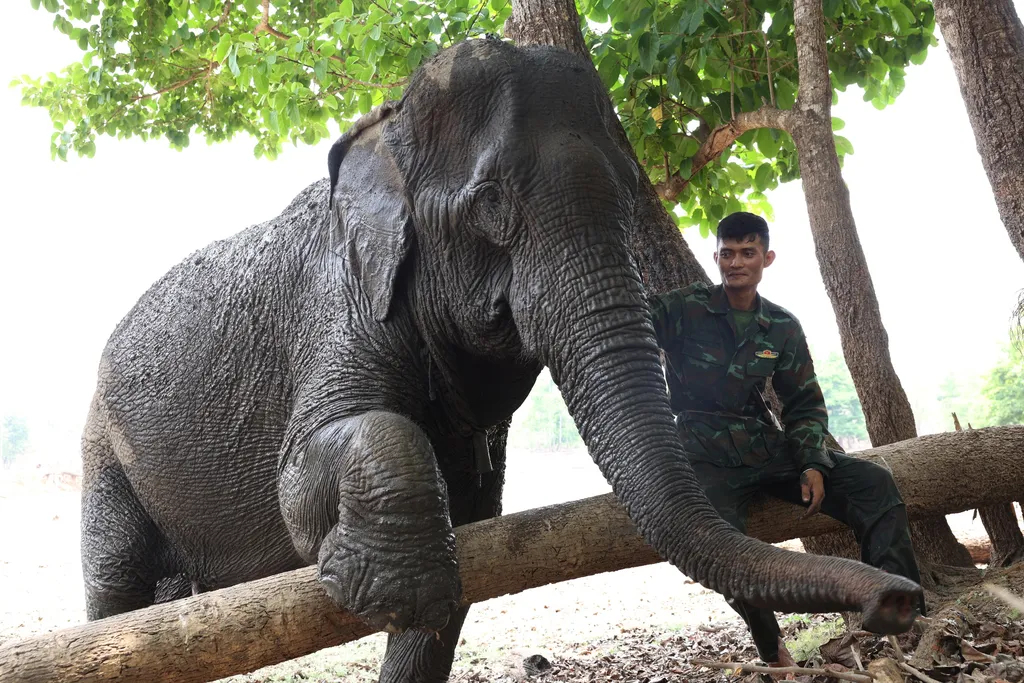 |
| An elephant playfully interacts with its caretaker. VNA/VNS Photos |
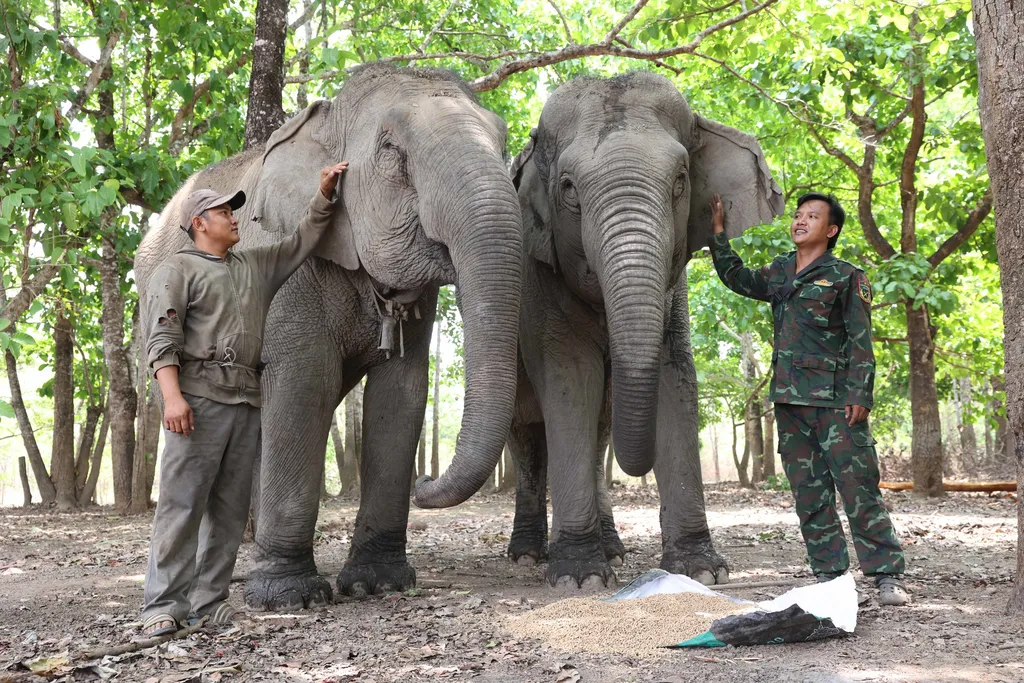 |
| Mahouts treat the elephants as members of their own families. |
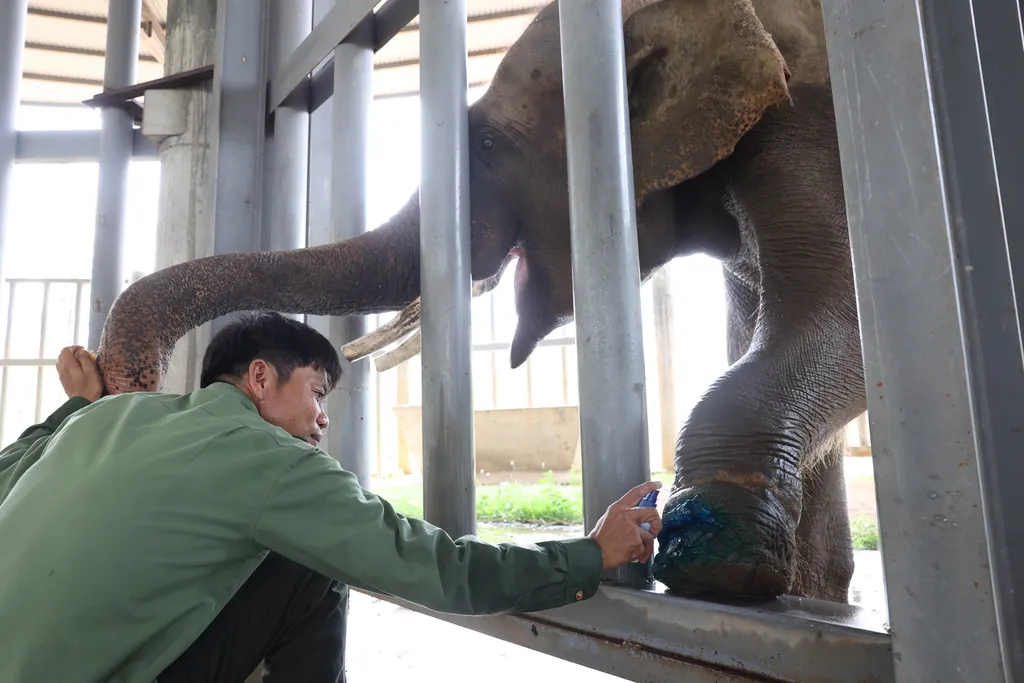 |
| Staff tend to and treat an elephant’s wounds. |
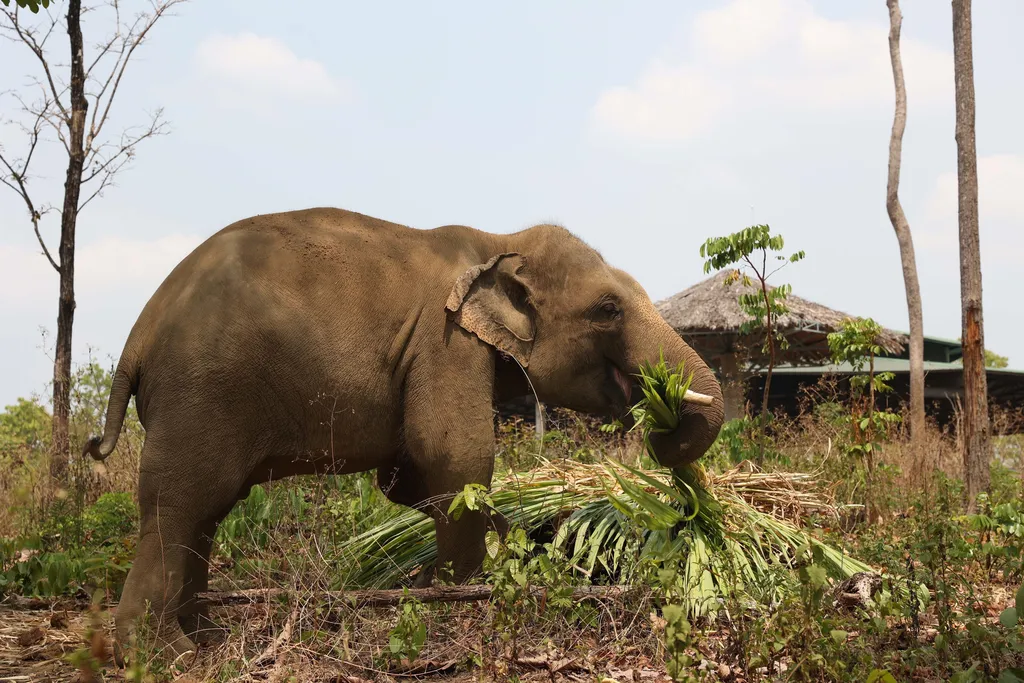 |
| Jun the elephant was rescued by the centre in 2015 with a severe leg injury caused by a trap. After multiple surgeries, it has recovered and grown strong. |
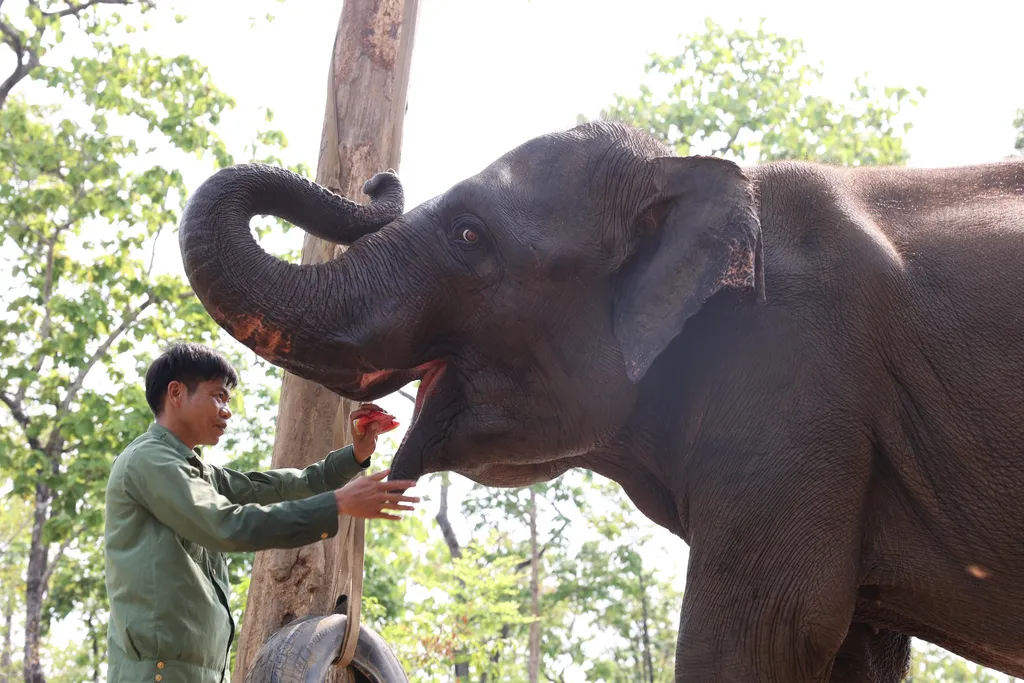 |
| After more than a decade working in elephant rescue and care, Cao Xuân Ninh considers the animals part of his family, sharing both hardship and joy with them. |
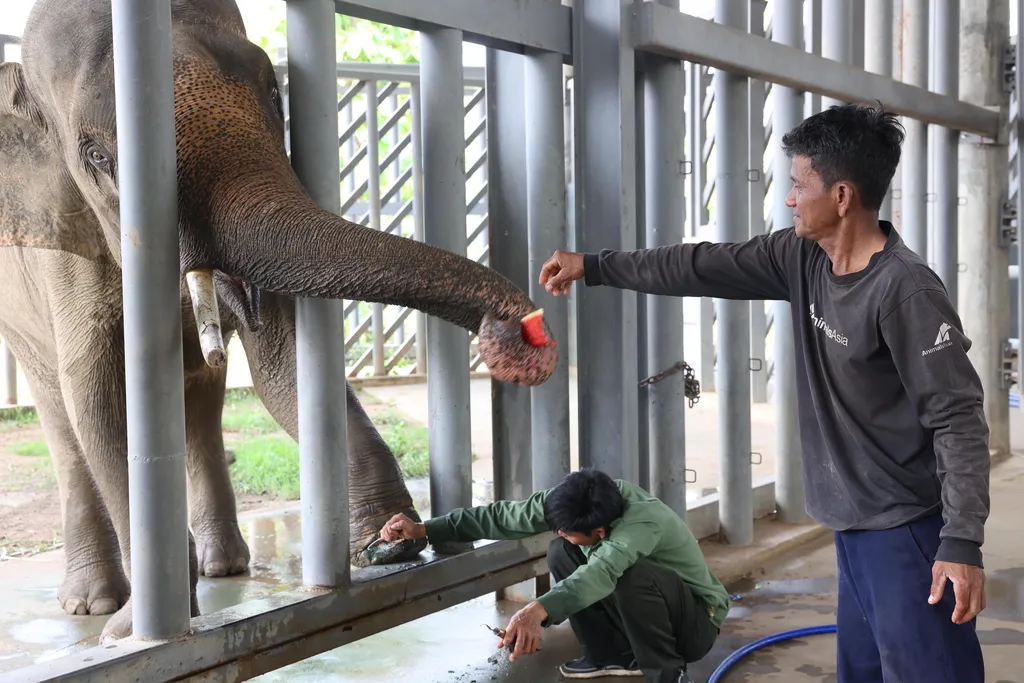 |
| Injured elephants are cared for in a semi-wild environment, with their wounds monitored daily. |
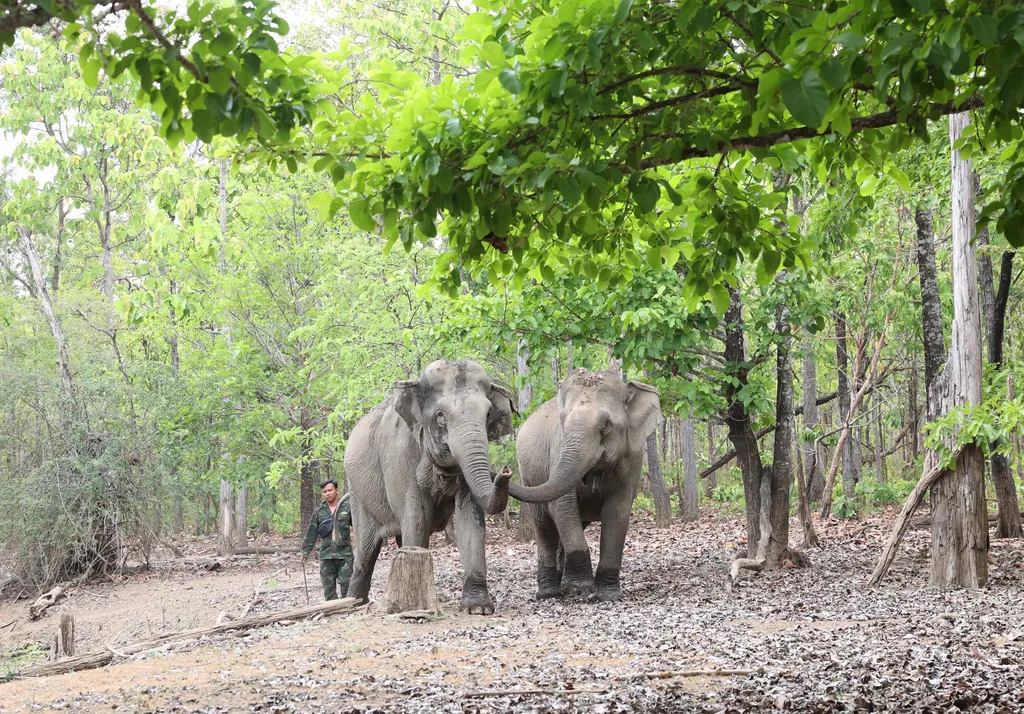 |
| Caretakers walk several kilometres through the forest with the elephants to find food and water in temperatures approaching 40°C. |
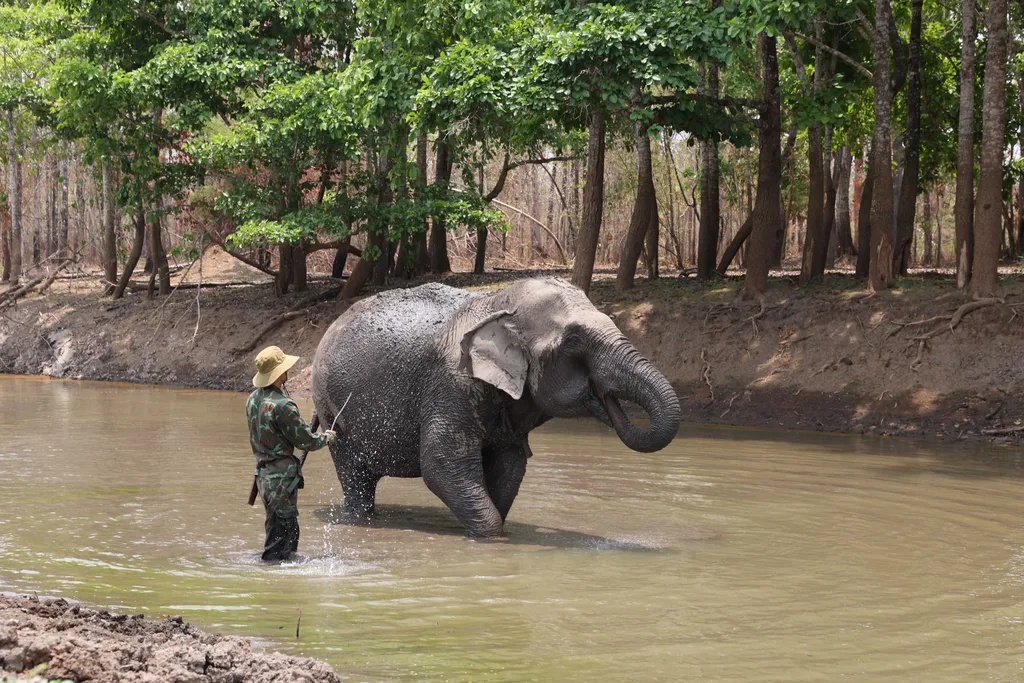 |
| Caring for elephants deep in the forest is demanding work, requiring dedication and a deep affection for the animals. |
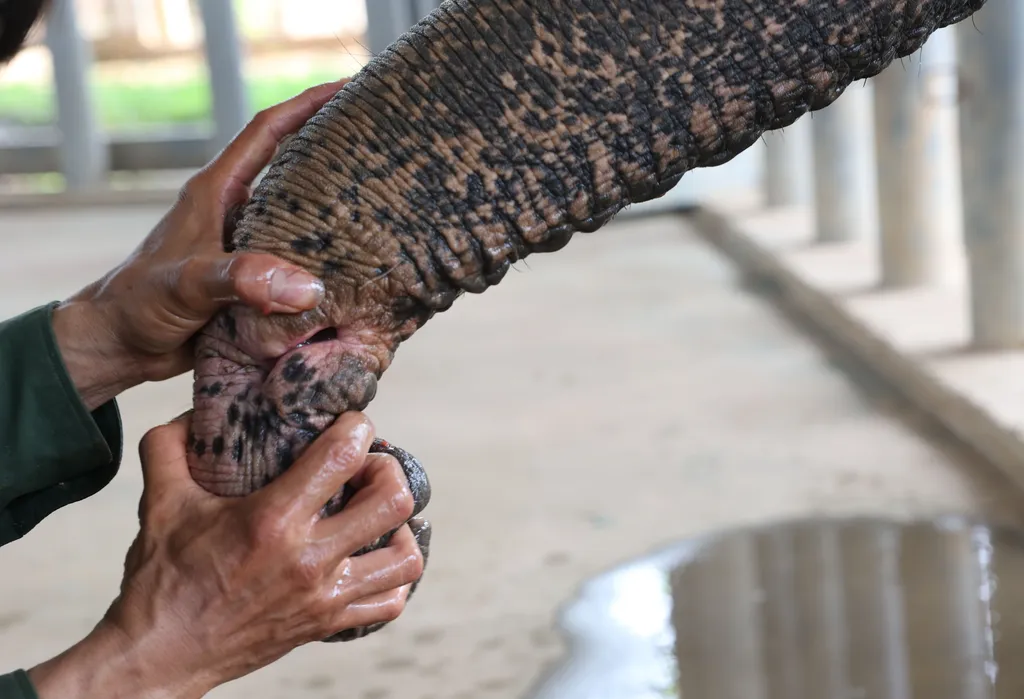 |
| A staff member checks an elephant’s trunk for injuries. |
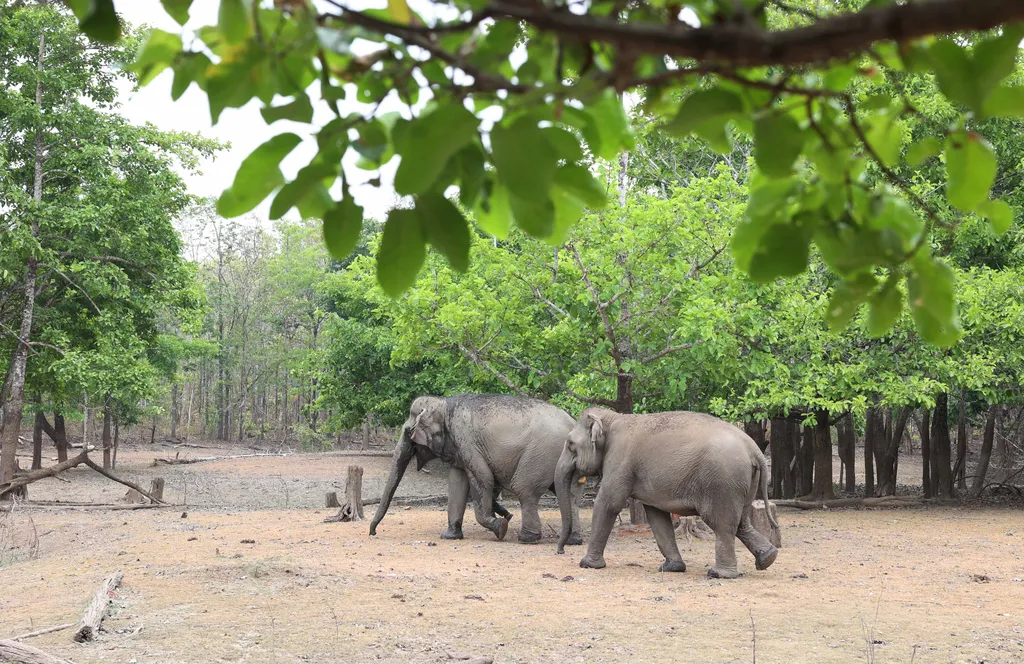 |
| Healthy elephants are cared for in a controlled natural environment at the centre. |