 |
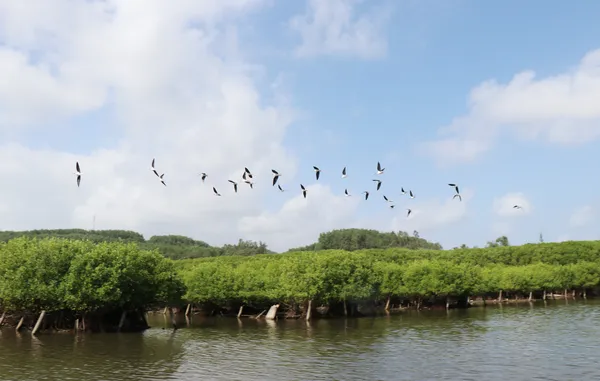
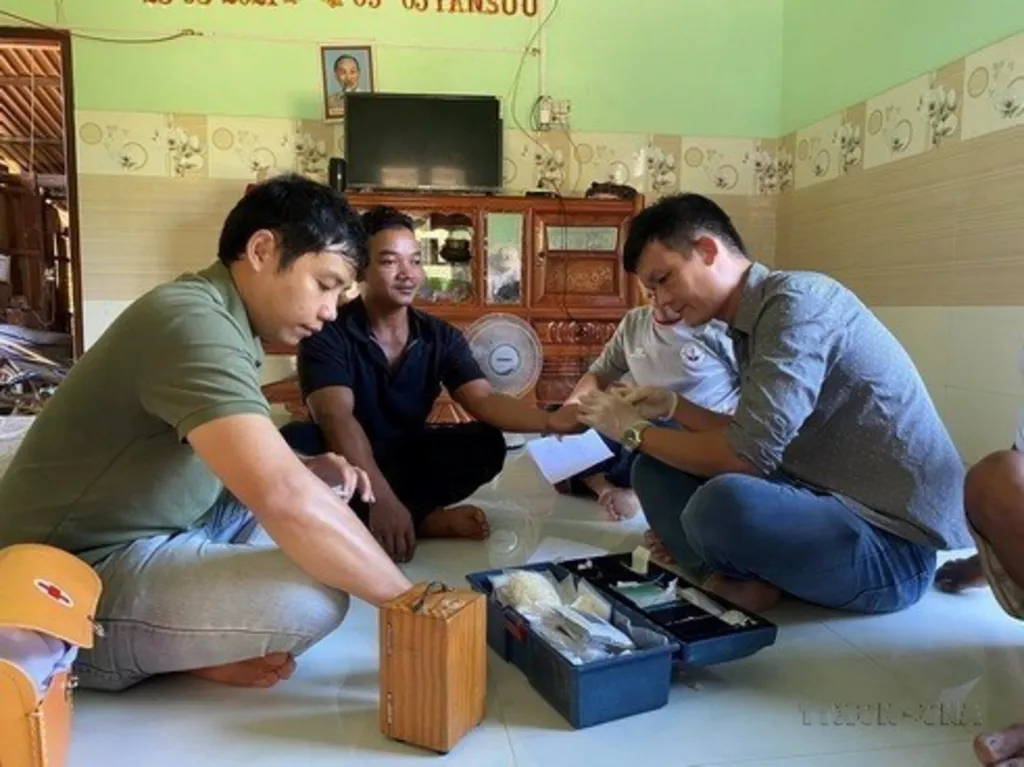
| Khánh Hòa Province has proactively implemented malaria prevention and control measures, effectively keeping the disease under control. Health workers collect samples for testing in Khánh Thượng Commune, Khánh Vĩnh District (2023). |
World Malaria Day (April 25) was elevated to a global campaign by the World Health Organization at the 60th World Health Assembly in 2007. The day serves to raise public awareness of this dangerous infectious disease and to call for collective action in prevention and control efforts.
On April 25, 2026, the global community marked World Malaria Day 2026 with an urgent theme, “Driven to End Malaria: Now We Can. Now We Must.” This message is a call to action anchored on a rare convergence of scientific progress and global resolve.
Việt Nam has reduced malaria cases by nearly 90 per cent, demonstrating that full elimination of the disease is within reach. VNS
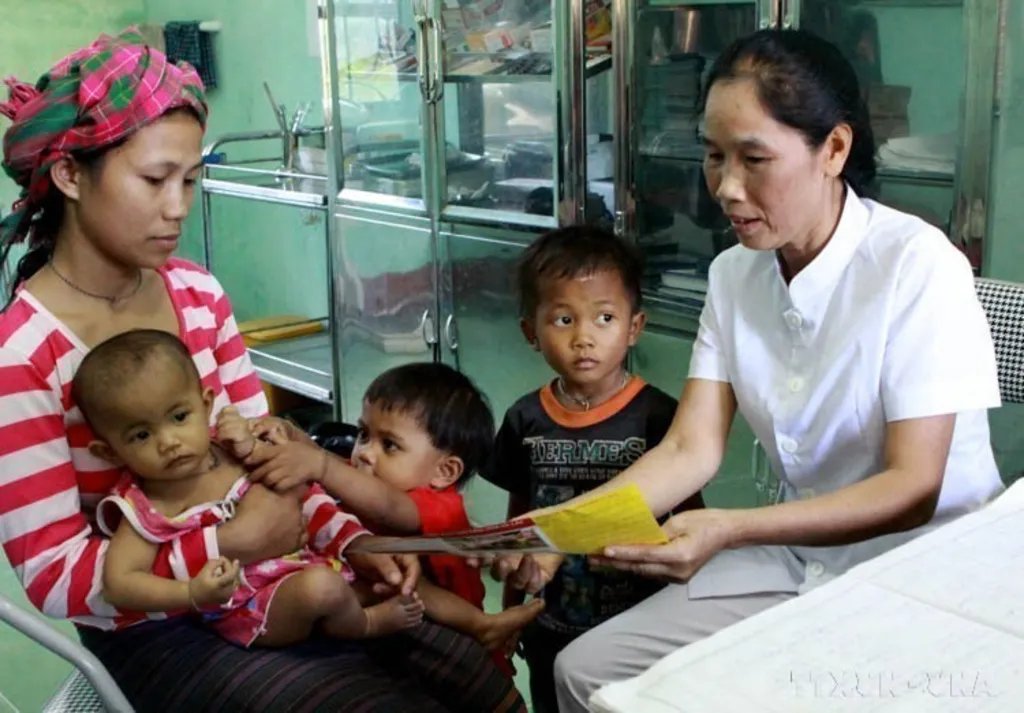 |
| Health workers in Quảng Bình provide consultations and health checks for ethnic communities in Dân Hóa Commune, Minh Hóa District, to prevent malaria. |
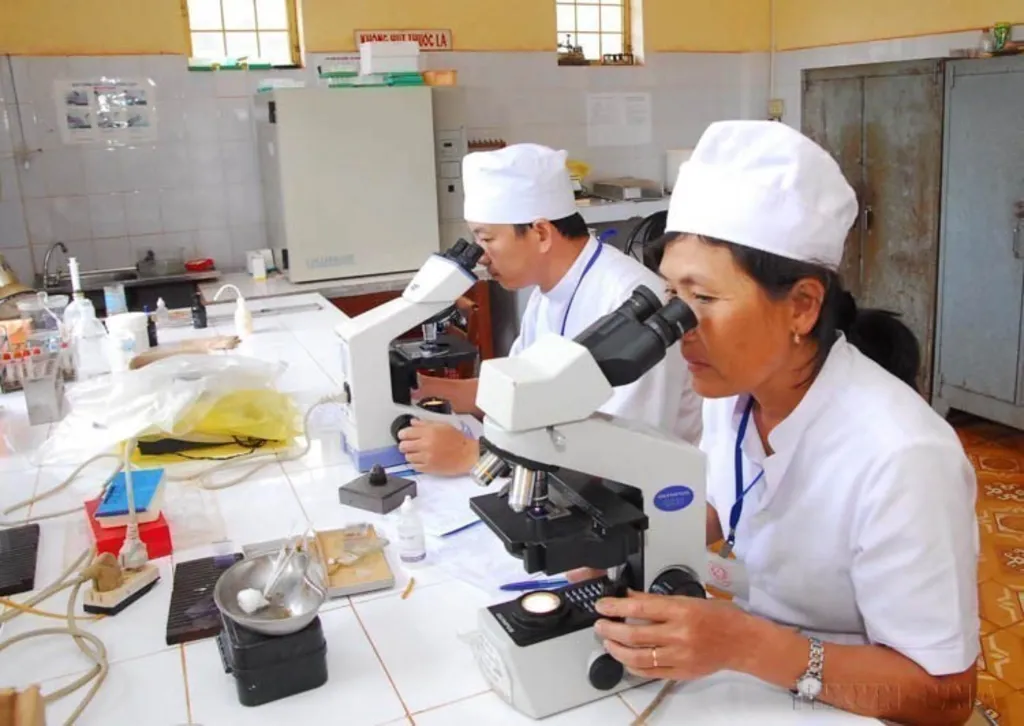 |
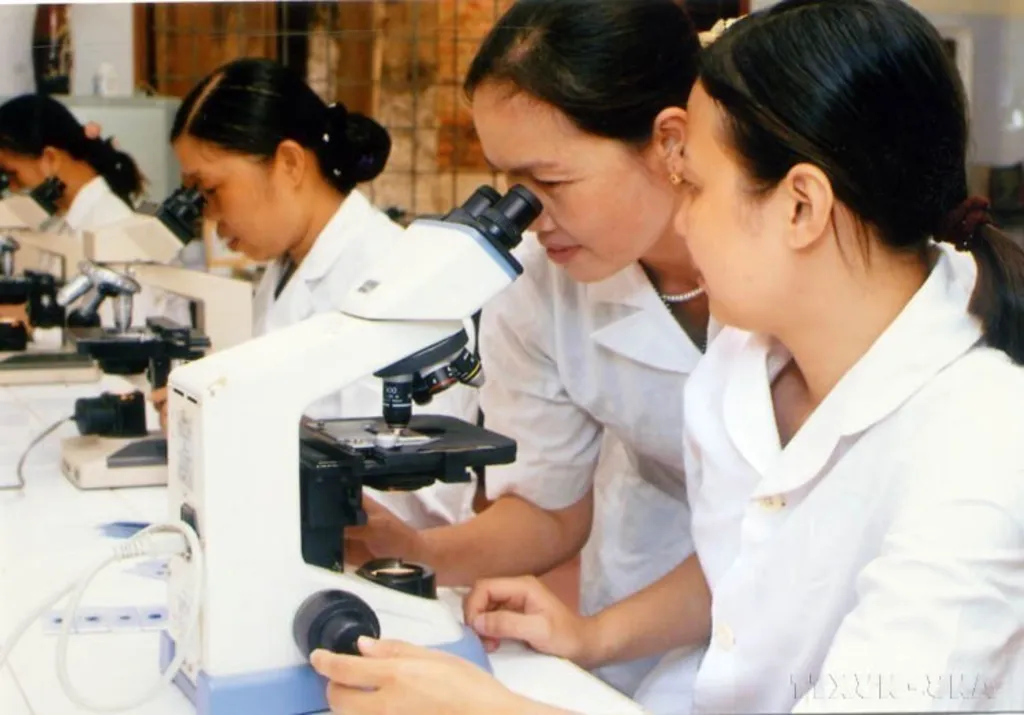
| Staff from the Quảng Ngãi Malaria Prevention Centre prepare blood smears for malaria testing in highland communes of Sơn Hà District (2009). |
 |
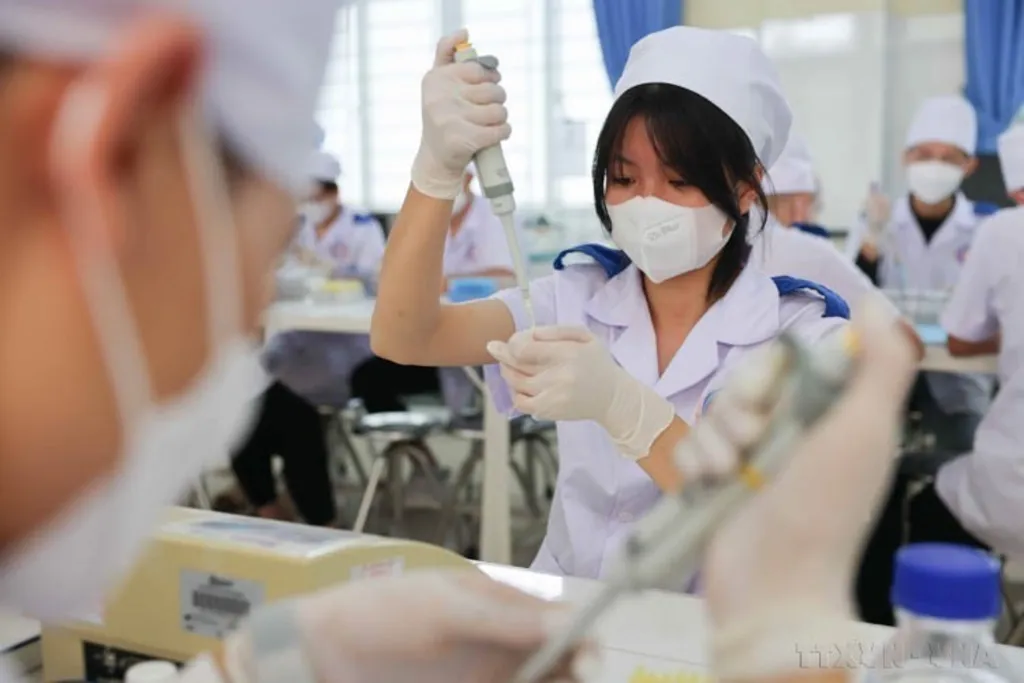
| Malaria parasite testing at the Đắk Đoa District Health Centre in Gia Lai Province. |
 |
| Laboratory technicians at the Nghệ An Malaria Prevention Centre exchange experience in detecting malaria parasites. |
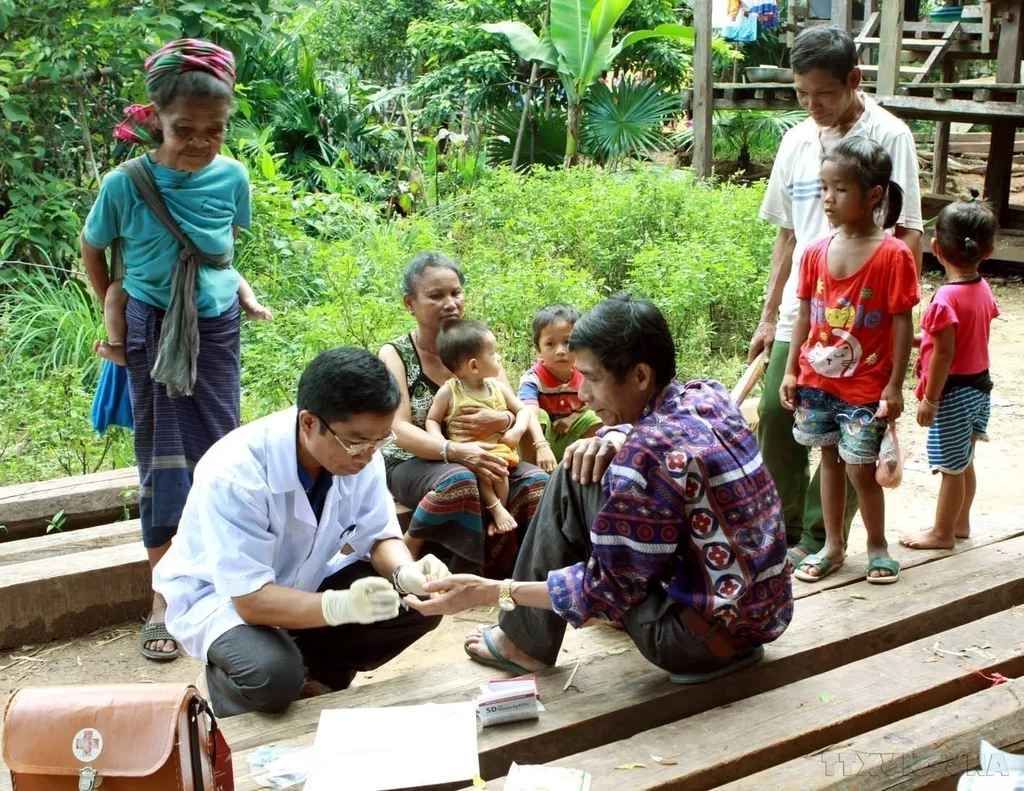 |
| Health workers in Quảng Bình provide consultations and health checks for ethnic communities in Dân Hóa Commune, Minh Hóa District, to prevent malaria. |
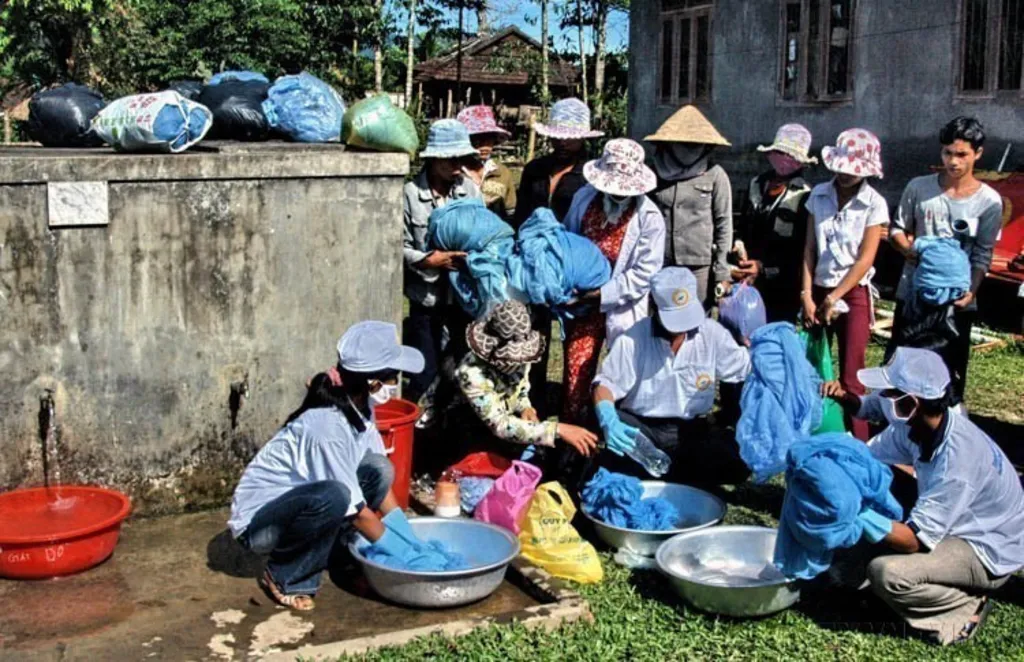 |
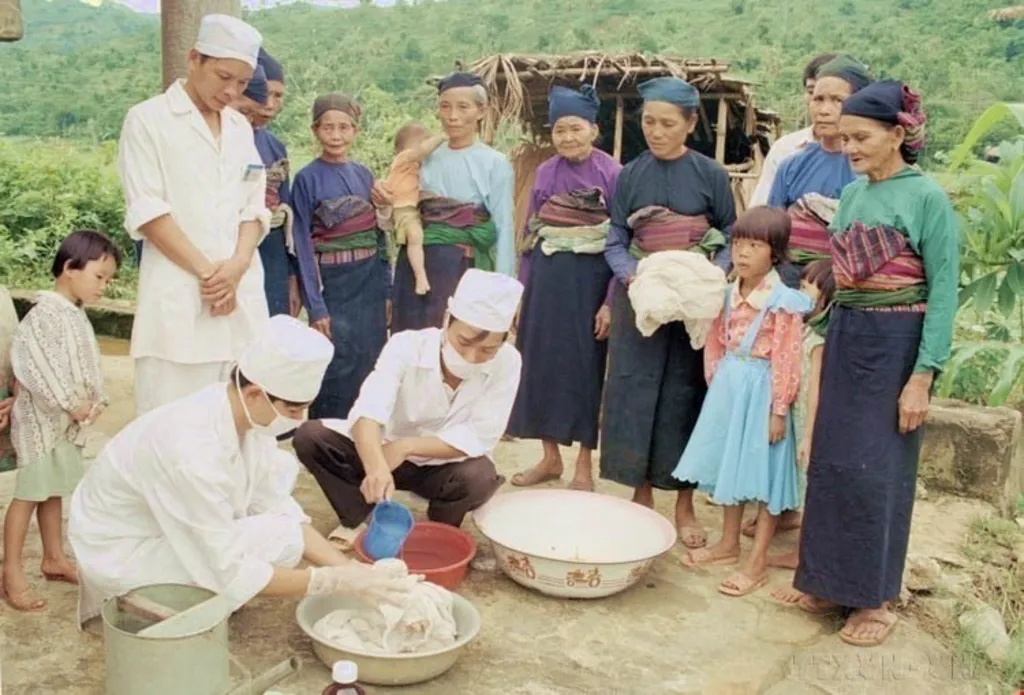
| Health workers in Quảng Ngãi treat bed nets with insecticide for residents in highland communes of Sơn Hà District (2009). |
 |
| Staff from the Ngọc Lặc District Health Centre in Thanh Hóa guide Mường ethnic residents on how to treat bed nets with insecticide. |
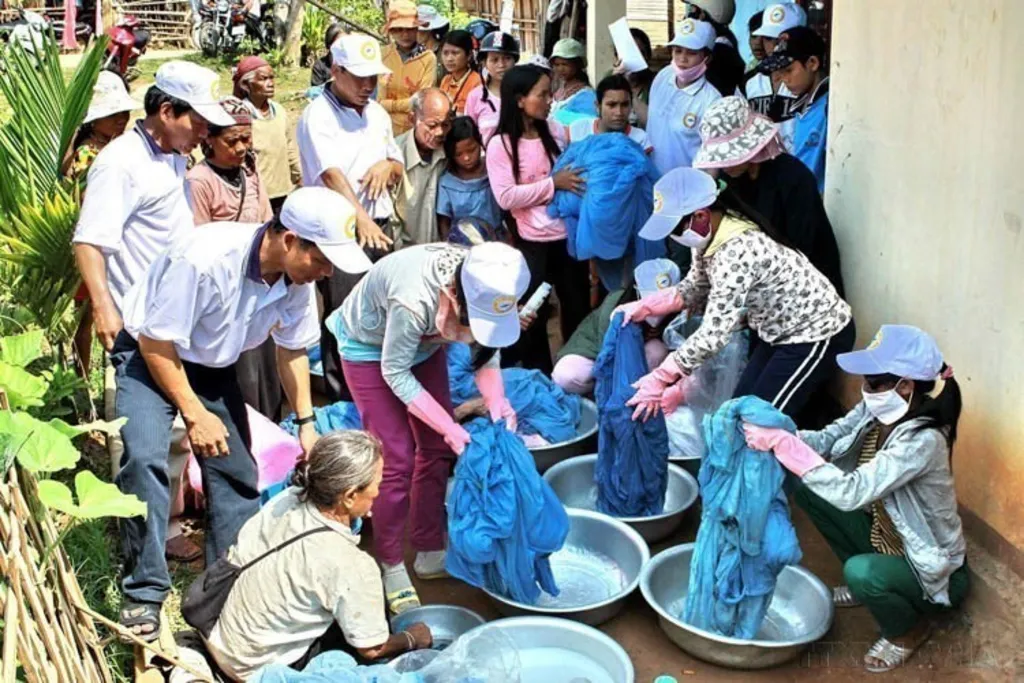 |
| Bed nets are treated with insecticide for residents in Sơn Dung Commune, Sơn Tây District (Quảng Ngãi), where malaria is endemic. |
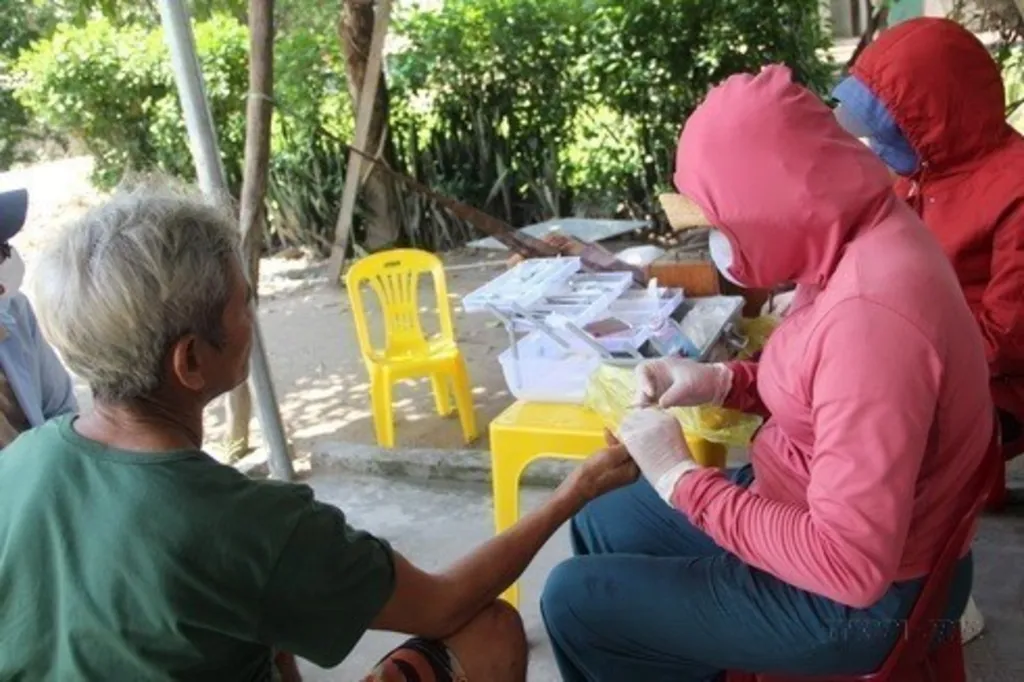 |
| Blood smears are collected for malaria screening in the community in Khánh Hiệp Commune, Khánh Vĩnh District, Khánh Hòa Province. |
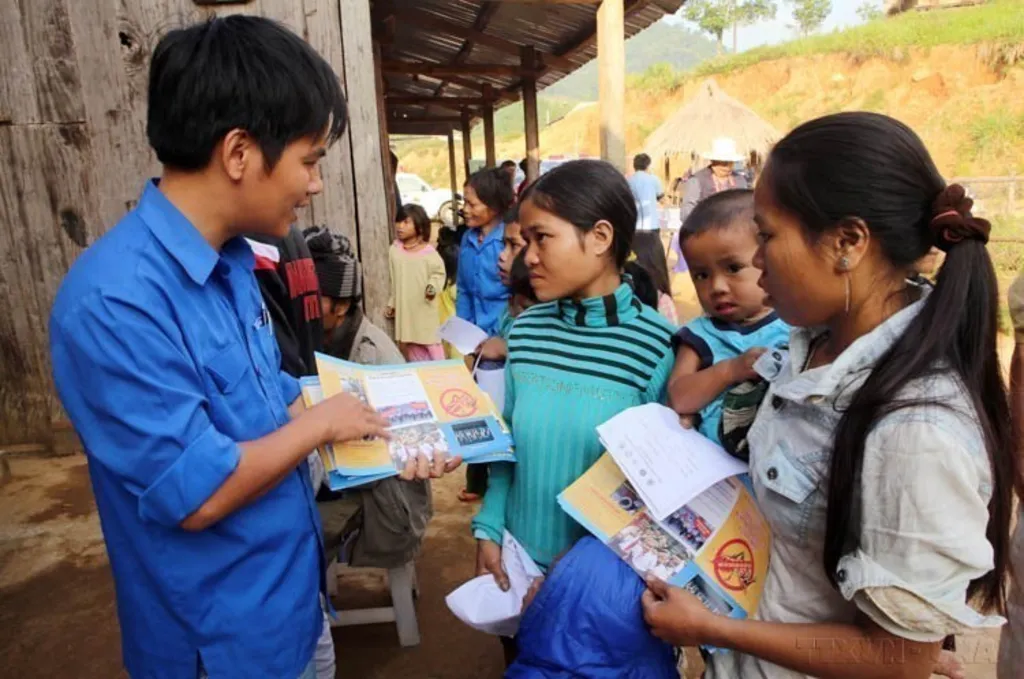 |
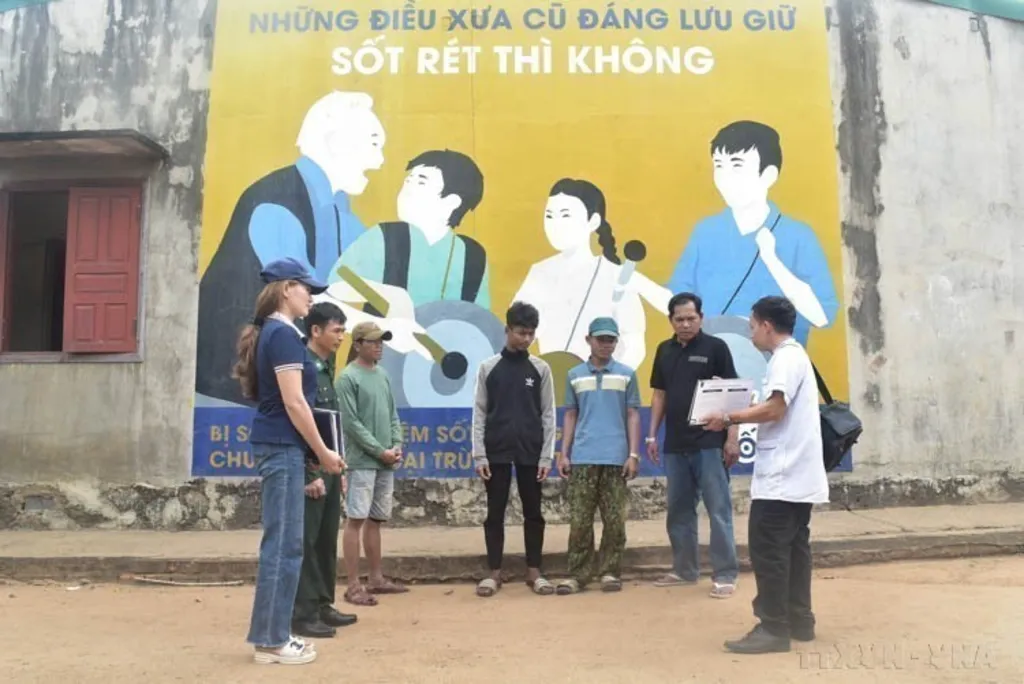
| Health workers raise awareness of malaria and dengue prevention during a humanitarian medical outreach programme in A Vao Commune, Đakrông District (Quảng Trị), including Lao border communities. |
 |
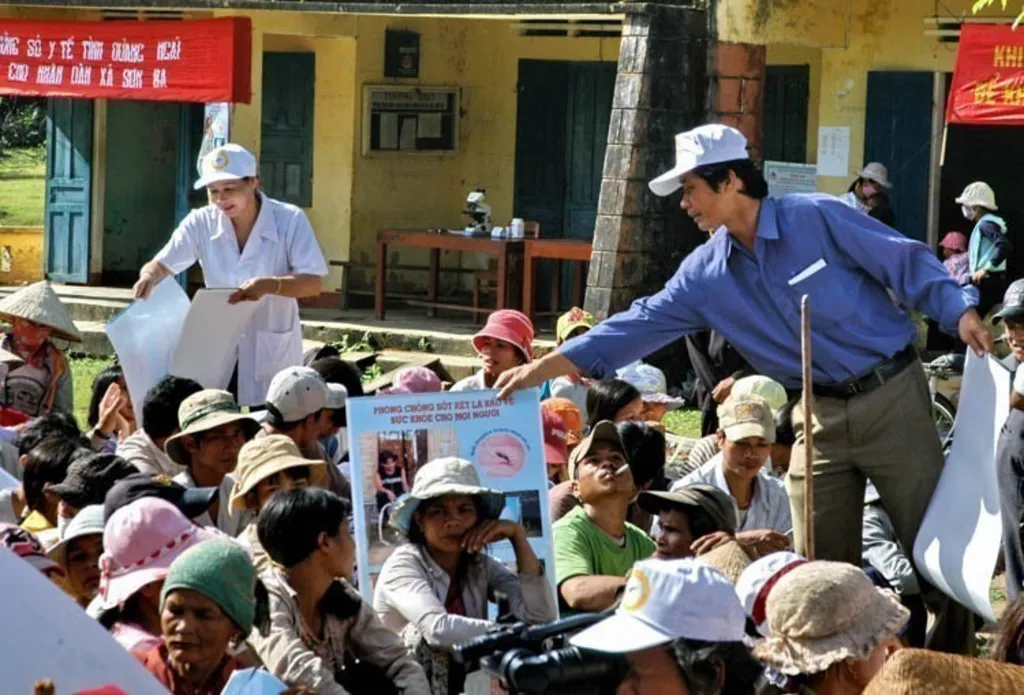
| Staff at Krông Na Commune Health Station, Buôn Đôn District (Đắk Lắk), provide community education on malaria prevention. |
 |
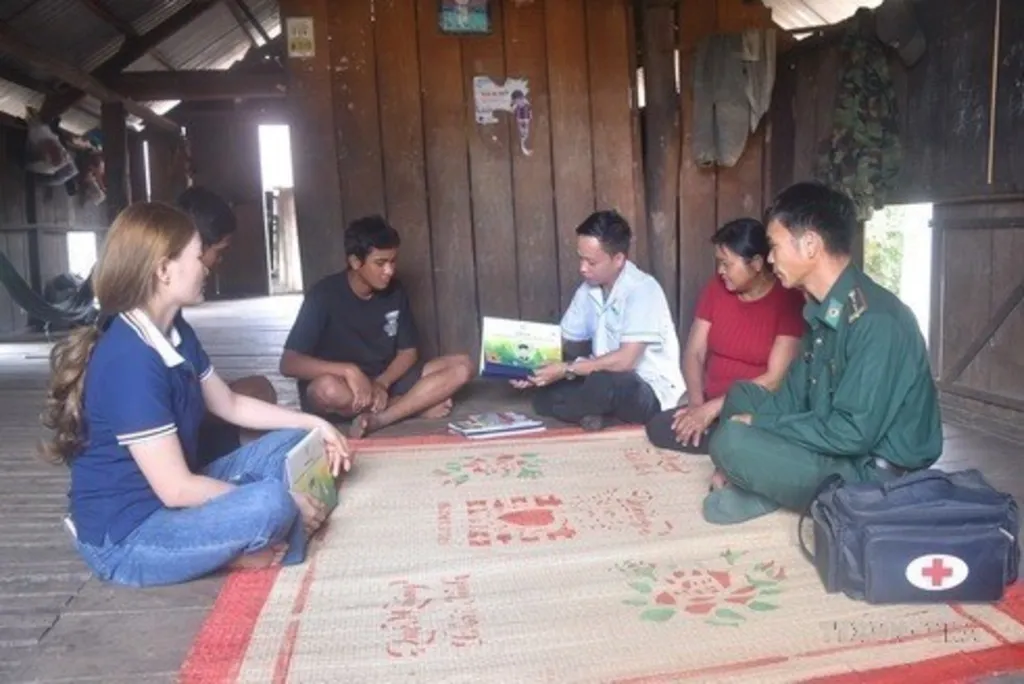
| Health workers in Quảng Ngãi distribute leaflets on malaria prevention to residents in highland communes of Sơn Hà District. |
 |
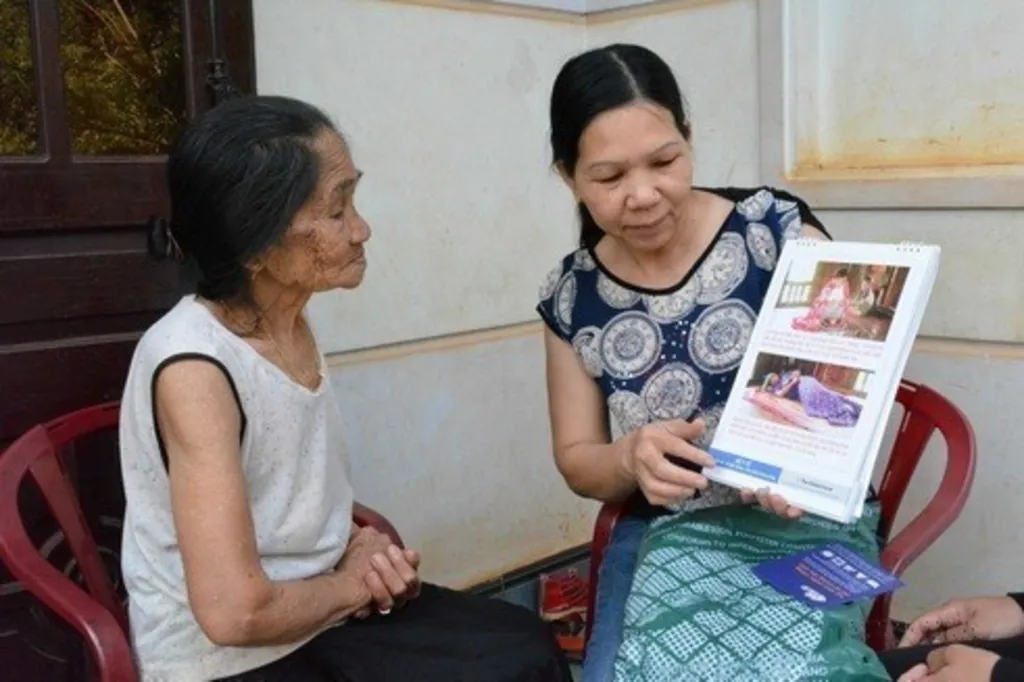
| Krông Na Commune, Buôn Đôn District (Đắk Lắk), once a malaria hotspot, recorded no cases in 2023 and 2024. |
 |
| Health workers in Cư Huê Commune (Ea Kar District, Đắk Lắk) educate residents on malaria prevention. |
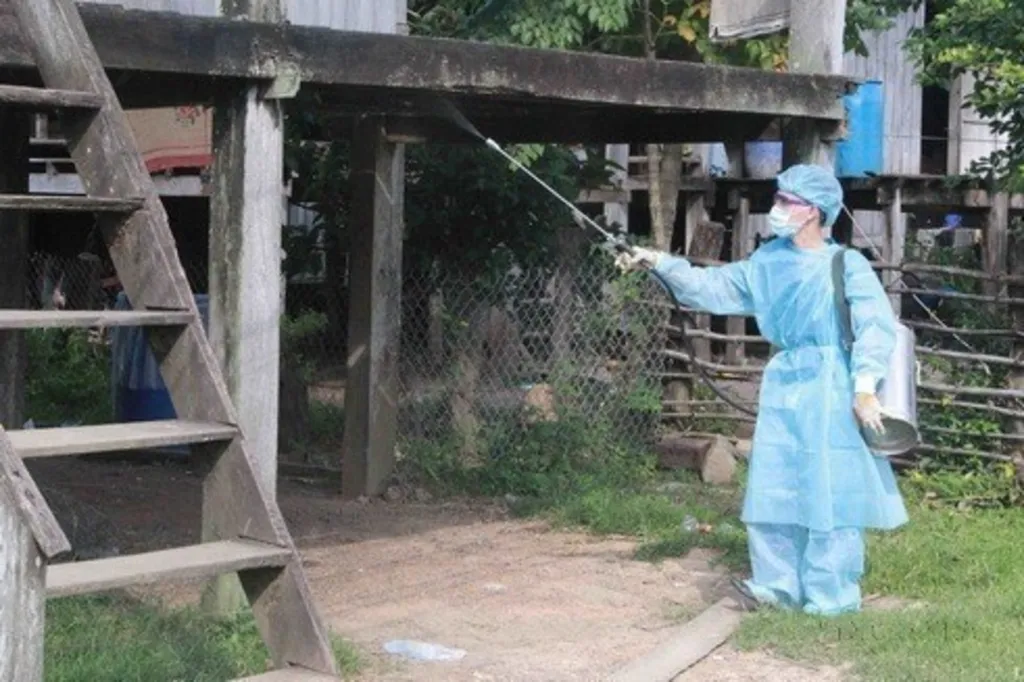 |
| Health workers in Buôn Đôn District spray insecticide to prevent malaria in the border commune of Krông Na. |
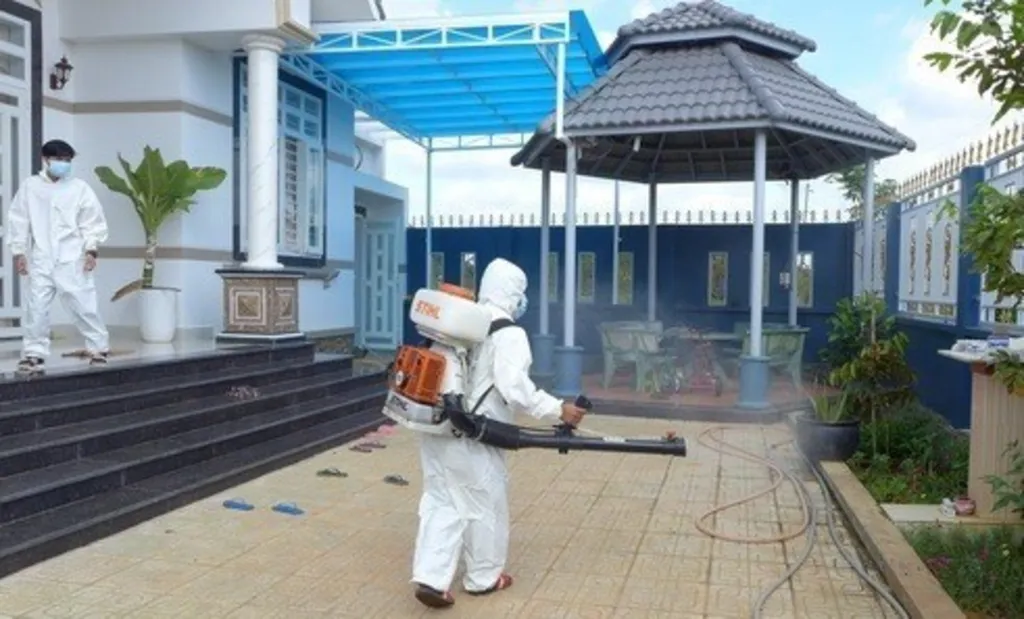 |
| Insecticide spraying at homes and residential areas in Bình Phước Province (2017). |
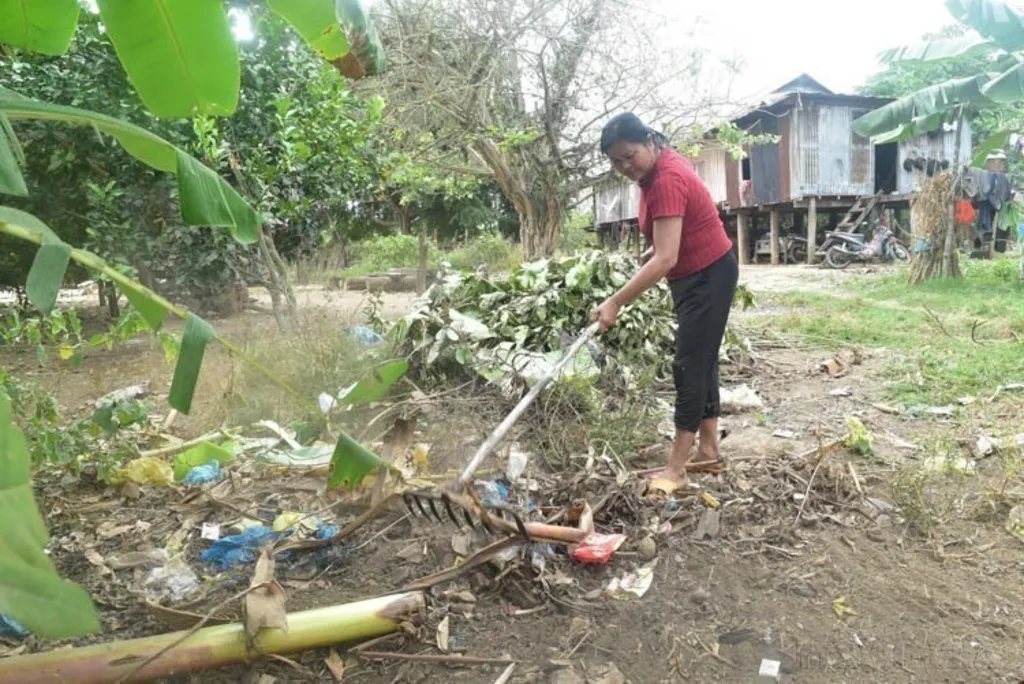 |
| Residents of Drang Phốk Village, Krông Na Commune, Buôn Đôn District (Đắk Lắk), clear bushes and maintain hygiene to reduce mosquito breeding. |
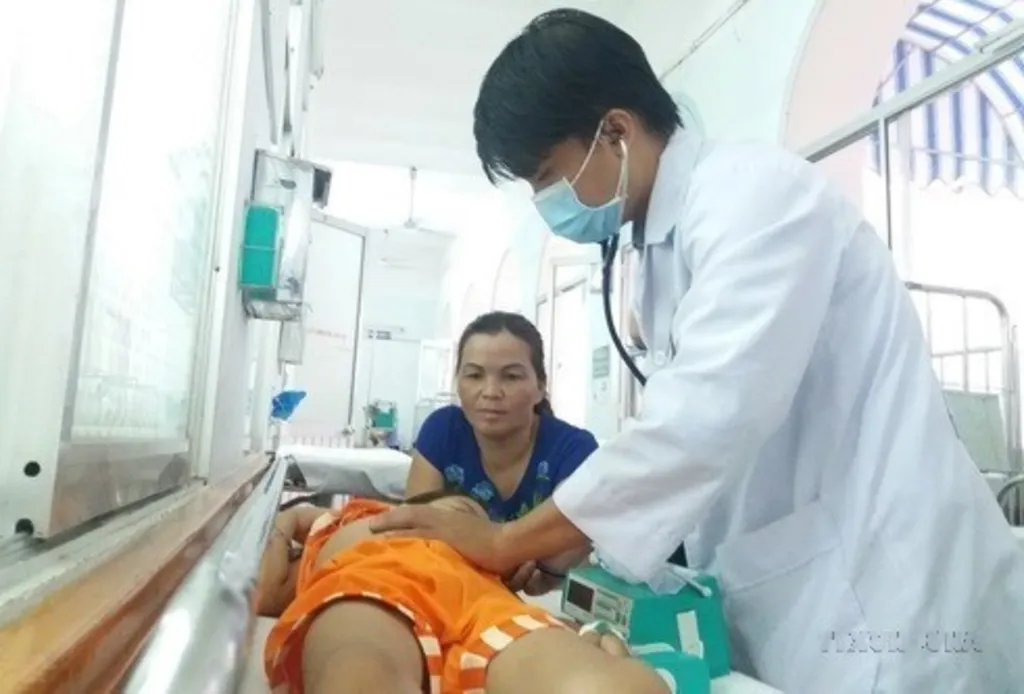 |
| Doctors examine a child infected with malaria in Hồ Chí Minh City (2017). |
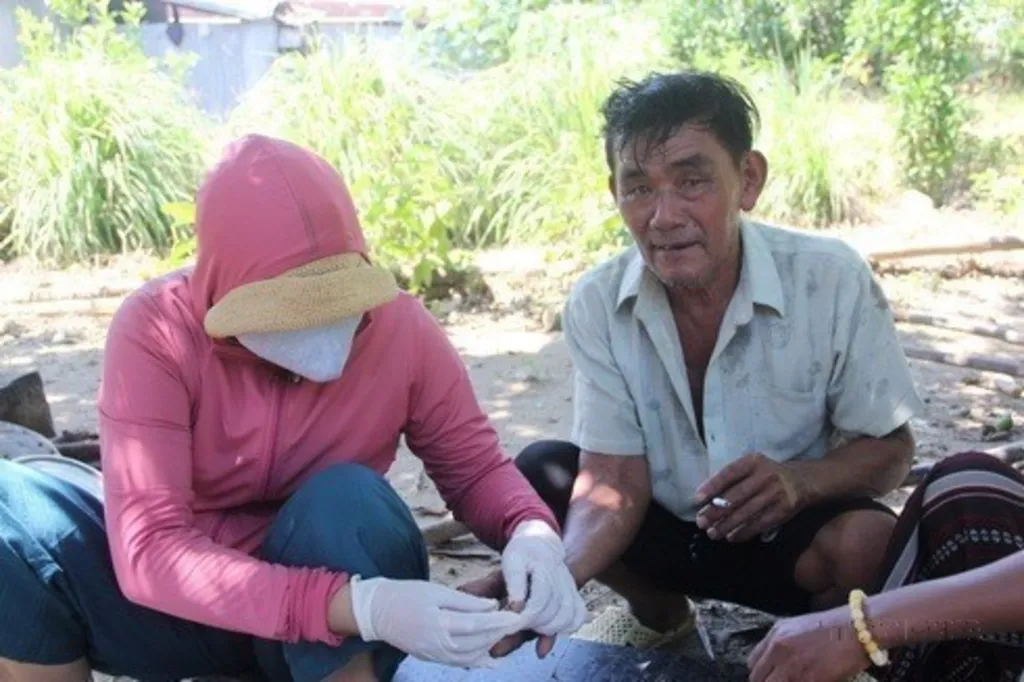 |
| Men working in forested areas of Khánh Hòa Province undergo blood testing to detect malaria cases early. |
 |
| Finished pharmaceutical products are packaged at Sao Kim Pharmaceutical Company, a leading producer of artemisinin-based antimalarial drugs for export to Europe, Africa and Asia. |