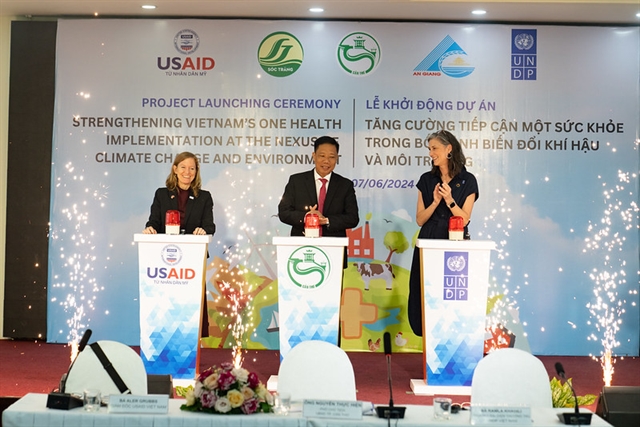
The initiative will pilot provincial-level models that strengthen the climate change-related “One Health” response across the human, animal and environmental health disciplines and will include working with local businesses and women's unions.
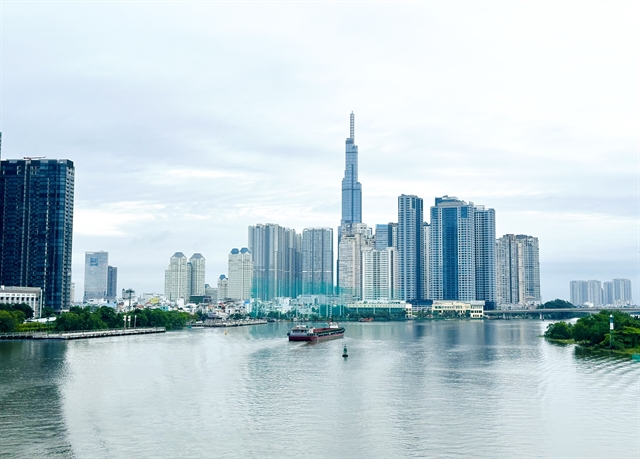
As one of the two major economic and political centres, Hà Nội is busy with people and businesses, but that infrastructure overload, along with rapid urbanisation, causes serious environmental pollution.
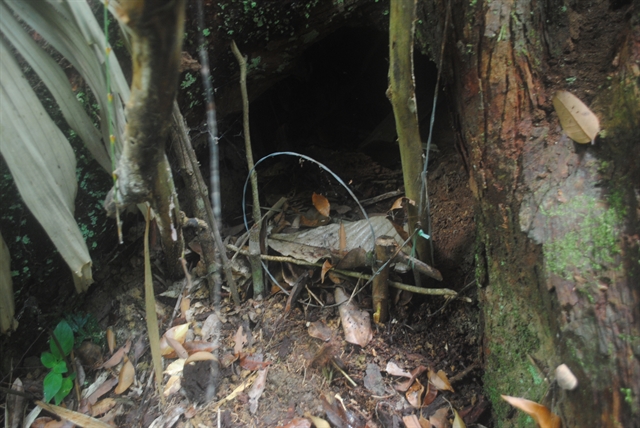
Labour-intensive removal efforts brought snaring down by almost 40 percent and therefore reduced imminent threats to wildlife, 11 years of data from ranger patrols in the Thừa Thiên Huế and Quảng Nam Saola Nature Reserves in central Việt Nam showed.
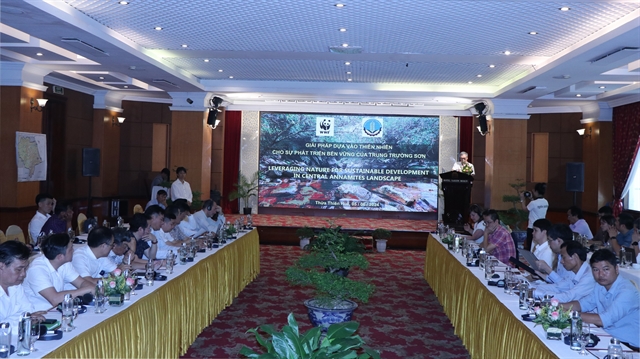
Participants engaged in discussions on the initiative itself, along with potential NbS applications and development strategies for the Central Trường Sơn region.
The Ninh Thuận Province will build a project to combat drought, erosion and flooding to adapt to climate change with an investment of over 37 million euros (US$40.4 million) funded by the French Development Agency (AFD).
Eight years ago, a major marine environmental incident occurred in the central region, seriously affecting the marine flora and fauna of many localities, including Thừa Thiên-Huế Province.
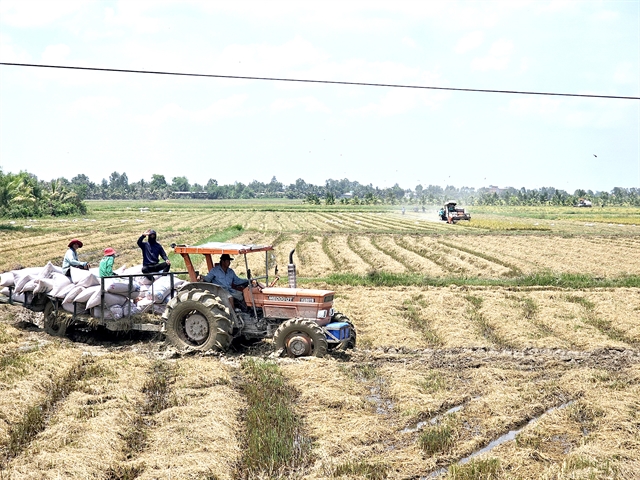
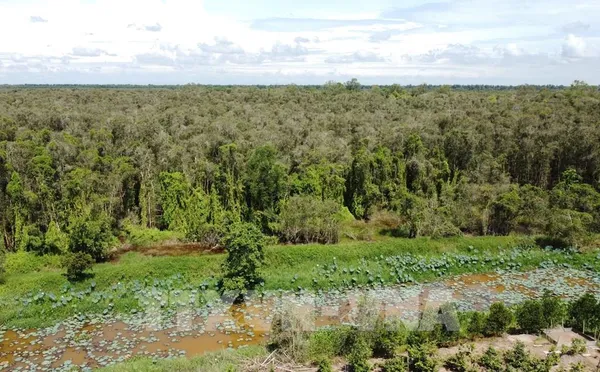
Nearly 50 years after the country was completely unified, thanks to policies from central and local authorities, Đồng Tháp Mười has become a wealthy area.
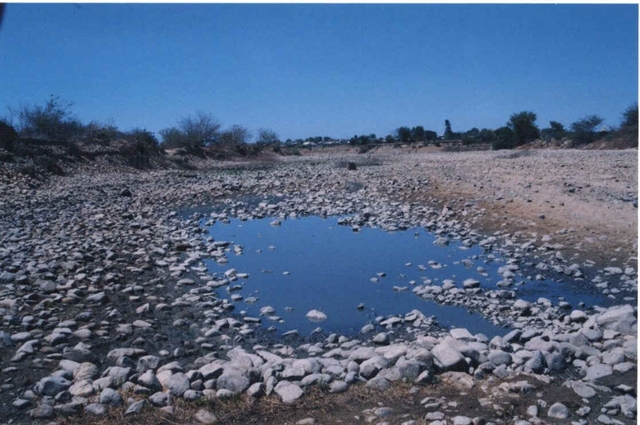
The desert area in Việt Nam is considerable but with the implementation of fundamental and strategic land protection measures, such as afforestation, land use and farming incomes are both improving.
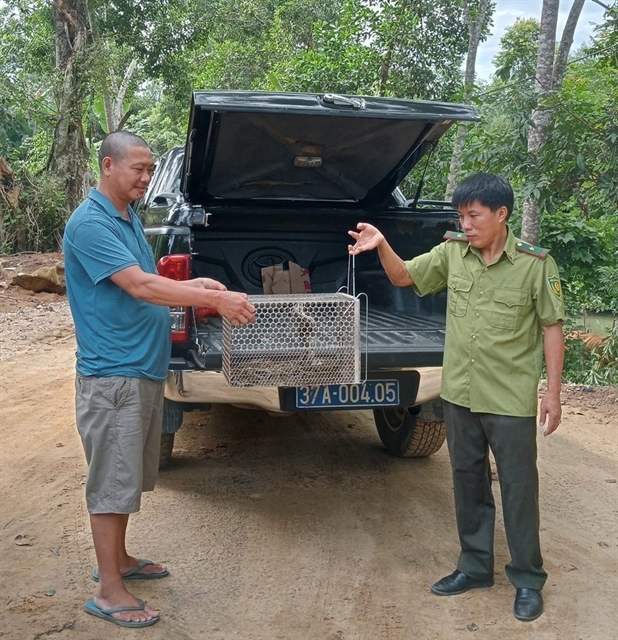
Phan Đại Thắng, a local who voluntarily brought the python to the authorities, said after buying it from the market, he learnt that it is a rare one needing strict protection.
This year’s World Environment Day (June 5) is themed “Land restoration, desertification and drought resilience”, aiming to appeal to countries around the globe to join hands in restoring land, preventing desertification, and improving drought resilience to slow down the climate change process, protect the nature while improving livelihoods and food security for billions of people worldwide.
Losses due to air pollution in Việt Nam top US$13 billion a year, equal to four per cent of the nation’s GDP
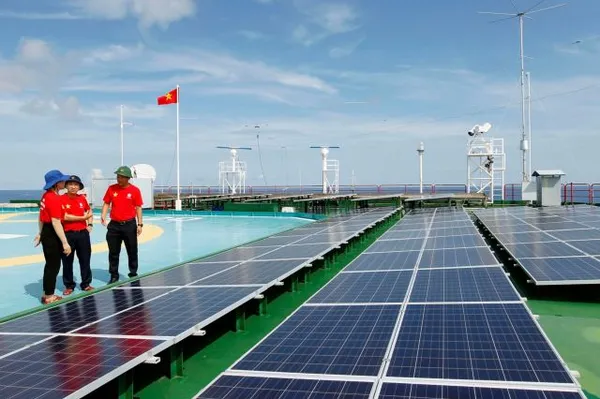
Vietnam Electricity (EVN) aims to have an entire clean energy system on the Trường Sa Islands and power reserves for up to 36 hours.
Amid worsening droughts and saline intrusion, global efforts are needed to secure the Cửu Long (Mekong) Delta’s prosperity and protect livelihoods. Bồ Xuân Hiệp provides insights into the matter.
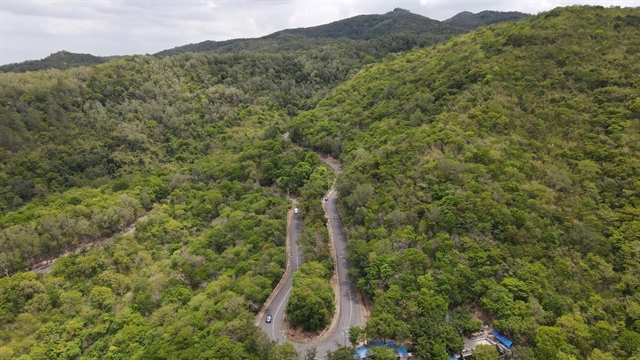
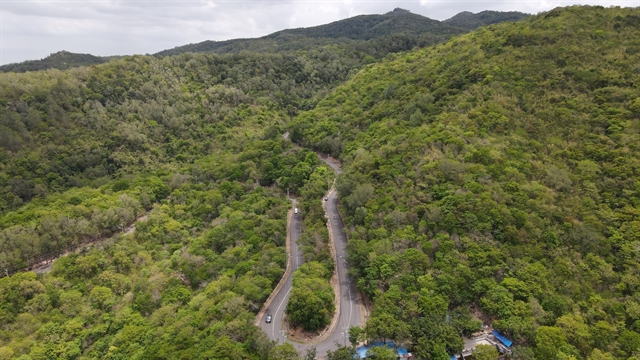
To combat desertification, the restoration of forests has become an urgent and effective measure to reclaim the land.
Việt Nam is highly dependent on water resources not within its control with seven out of 13 major river basins in Việt Nam being transboundary, and more than 63 per cent of the total water resources generated outside of the border.
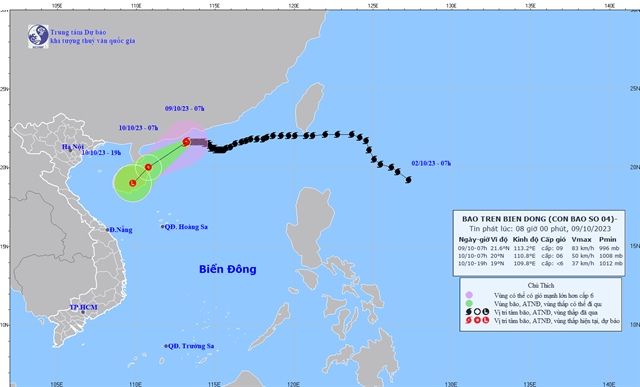
An official dispatch was sent to the northern province of Quang Ninh province and the central province of Ha Tinh, requesting them to monitor storm Maliksi and prepare response measures.
Ecotree Group, a sustainable forestry company focusing on carbon removal and biodiversity preservation, will team up with Germany's NGUYEN GmbH Chau Au to implement a carbon dioxide reduction project in Vietnam.
Initial observations indicated high levels of coral bleaching and mortality, primarily due to the El Niño-induced rise in bottom seawater temperatures in April and May.