 |
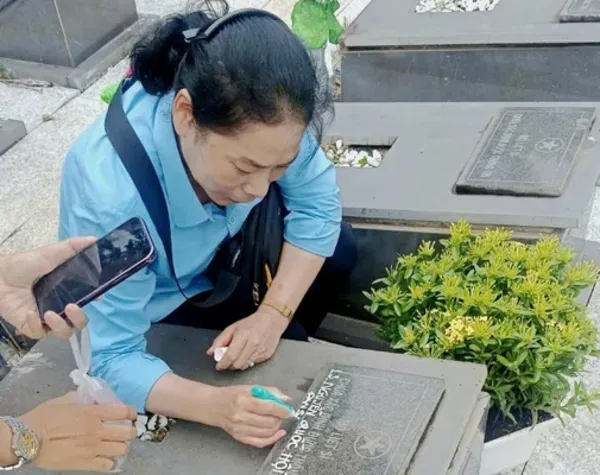
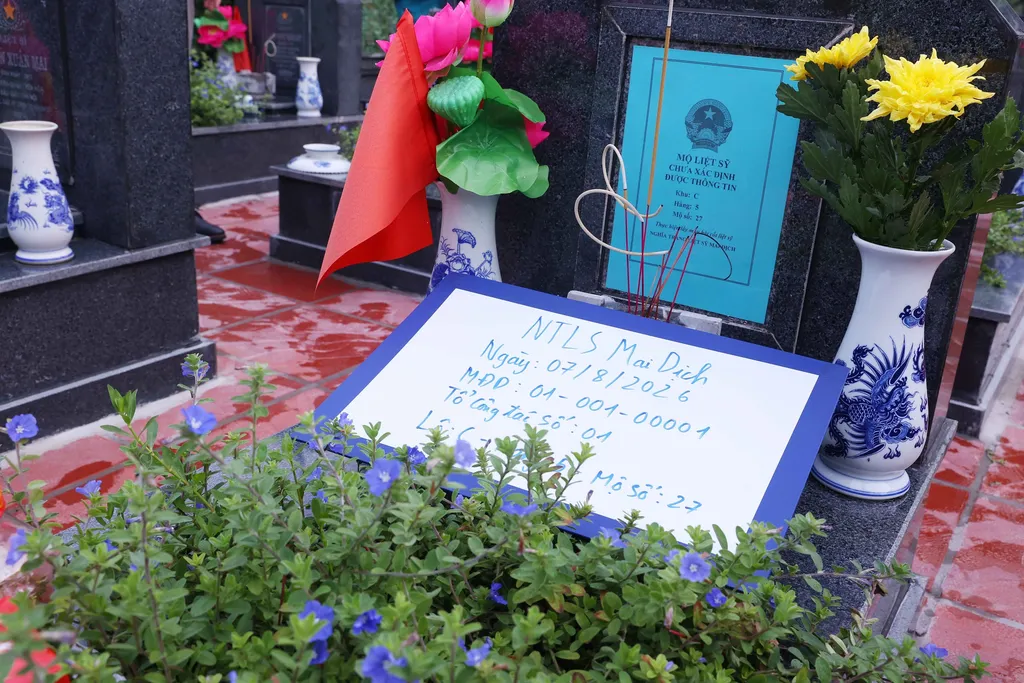
| Photographic records are made as graves are carefully assigned identification codes before excavation and biological sampling at Mai Dịch Cemetery in Phú Diễn Ward. VNA/VNS Photos |
Colonel Đoàn Chí Thắng, Deputy Political Commissar of the Hà Nội Capital Command, said 233 cemeteries across the city contained graves requiring biological samples for DNA analysis.
They include the three city-managed cemeteries of Ngọc Hồi, Nhổn and Mai Dịch, as well as 230 cemeteries in 81 communes and wards.
The work forms part of a nationwide 500-day campaign to step up the search, recovery and identification of fallen soldiers’ remains.
Sampling was completed at 48 unidentified graves at Ngọc Hồi Martyrs’ Cemetery on July 30. At Nhổn Martyrs’ Cemetery, teams completed work at all 38 unidentified graves on August 2, although samples could not be obtained from three of them.
Sampling at Mai Dịch Cemetery began on August 7, covering 469 unidentified graves, the largest number at any cemetery in the capital.
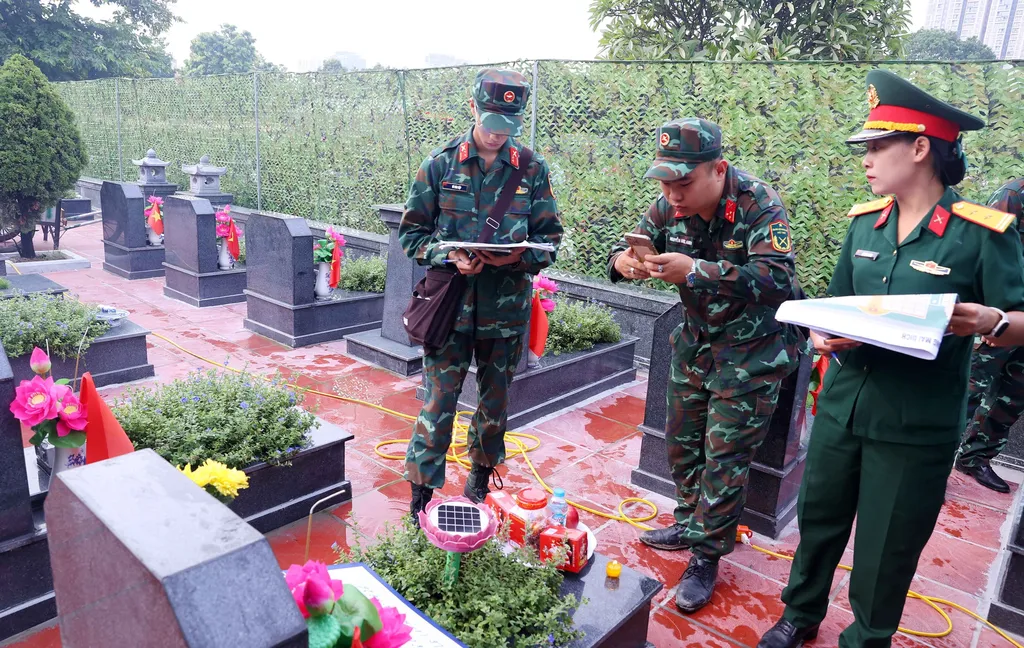 |
| Photographic records are made as graves are carefully assigned identification codes before excavation and biological sampling at Mai Dịch Cemetery in Phú Diễn Ward. |
Of the total, 8,059 graves contain remains for which no information is available. These are the priority group for excavation and biological sampling so their DNA profiles can be compared with those of relatives.
The three city-managed cemeteries contain a combined 555 unidentified graves.
Difficult work at Mai Dịch Cemetery
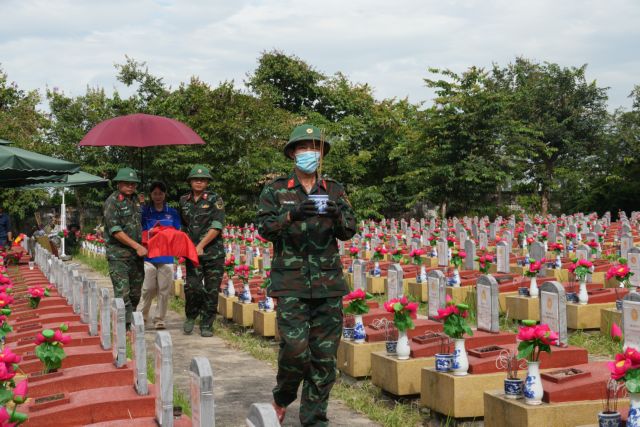
Mai Dịch Cemetery is the resting place of 1,227 fallen soldiers and has two collective burial areas. Of those buried there, 1,221 died during the resistance war against French colonialism, five during the resistance war against the US and one while defending the southwestern border.
The cemetery is also the resting place of 492 former leaders of the Party and State and senior officials from different periods.
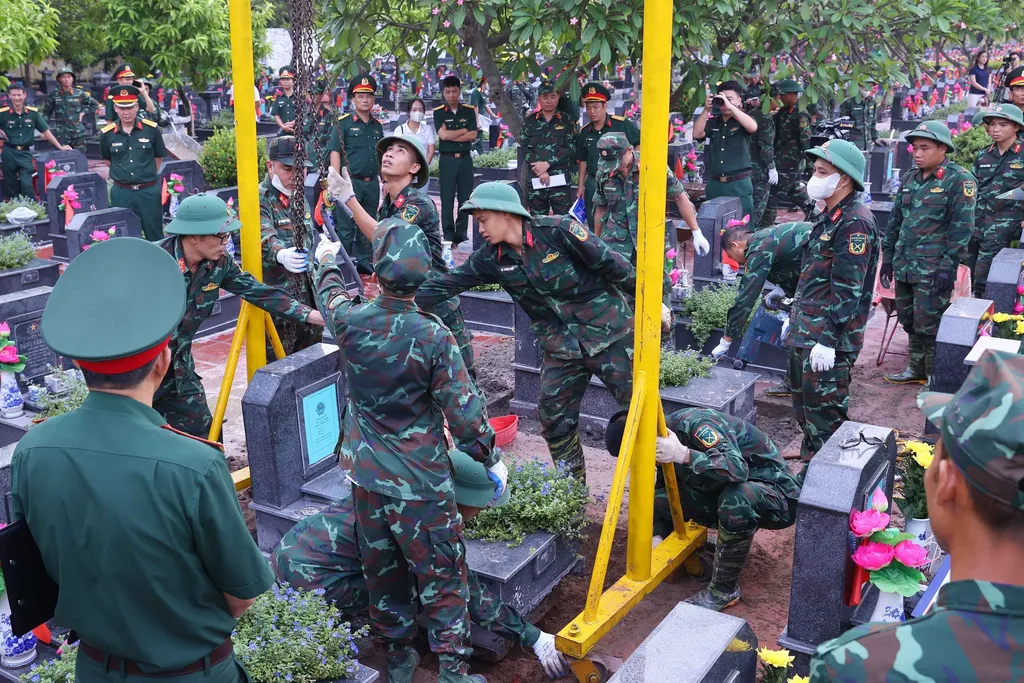
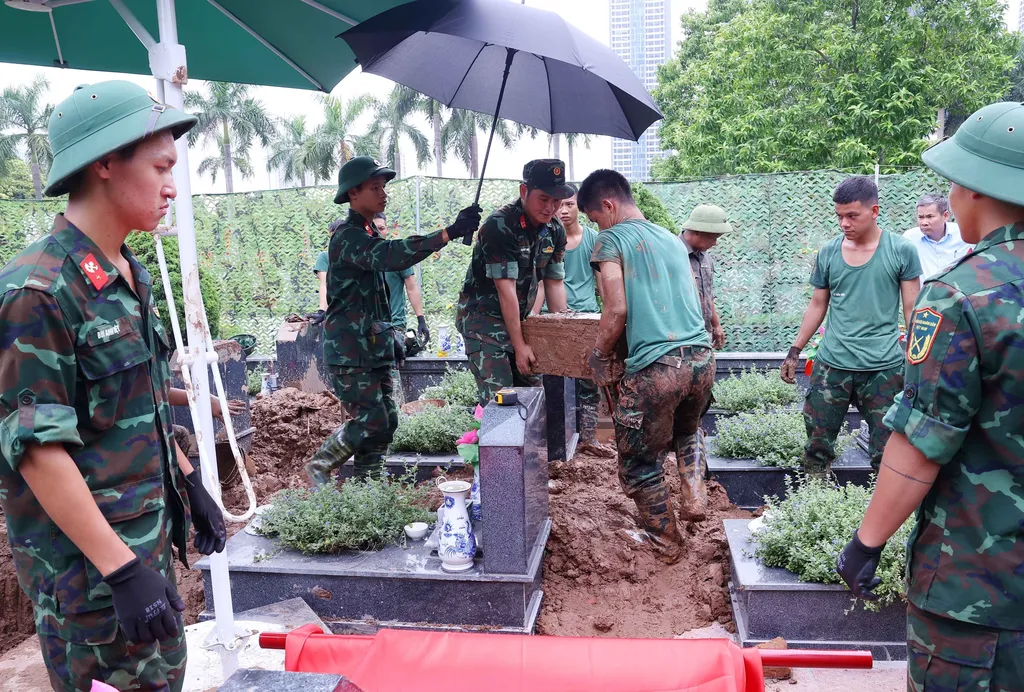
The Hà Nội Capital Command assigned the 301st Infantry Division and the 544th Engineer Battalion to excavate the 469 unidentified graves and collect samples for DNA analysis.
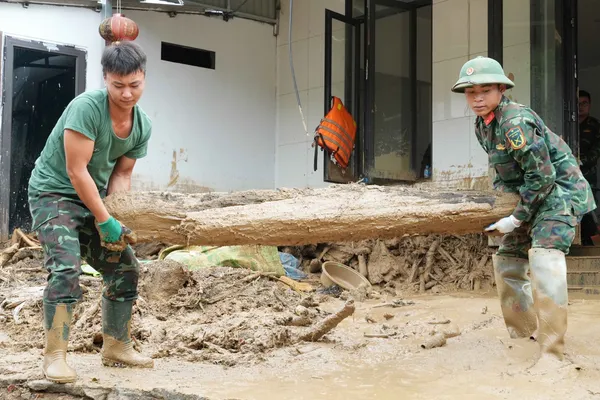
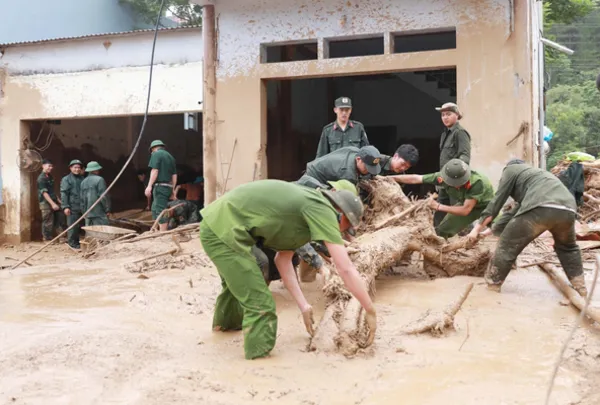
The work has continued through intense August heat and sudden heavy rain. During dry periods, officers and soldiers work continuously, while in heavy rain they build barriers to prevent flooding. Once the rain stops, they pump water from the deep excavation pits and resume their search.
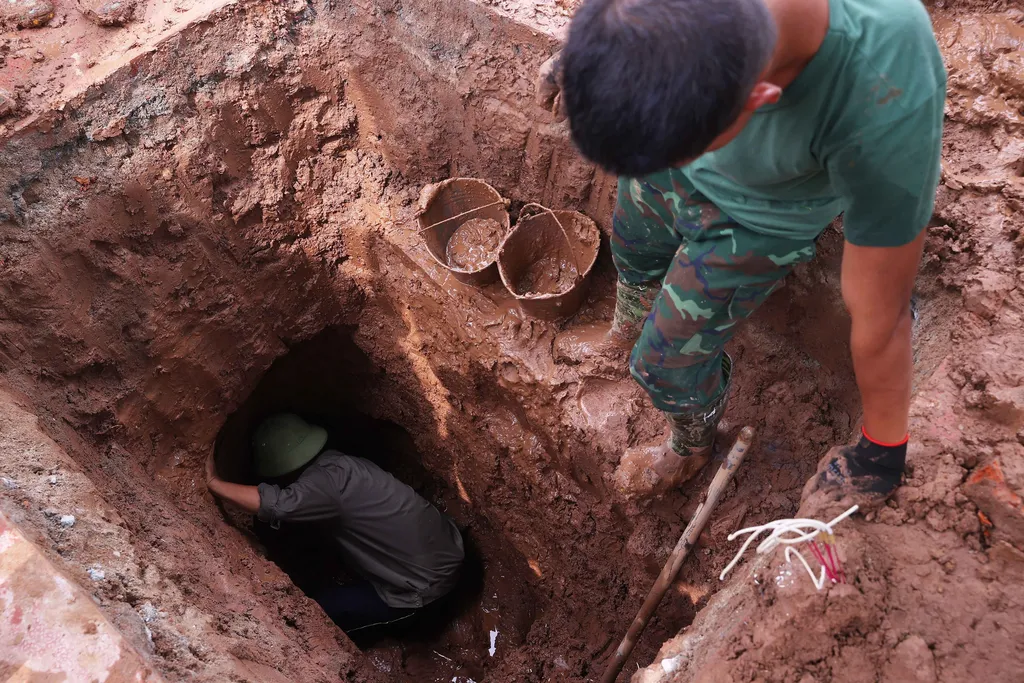 |
| Unidentified fallen soldiers’ remains are exhumed at Mai Dịch Cemetery in Phú Diễn Ward. |
Major General Đào Văn Nhận, Commander of the Hà Nội Capital Command, said he hoped the remains would still be in a condition suitable for sampling.
“Despite the unpredictable weather and difficult working conditions, you must regard this as both a responsibility and an honour, contributing to bringing the fallen soldiers home to the families who have waited for them,” he told the personnel involved in the operation.
Strict sampling procedures
Lieutenant Colonel and doctor Nguyễn Đăng Thắng of the Hà Nội Capital Command, who directly supervises and participates in the sampling, said personnel had been divided into two teams of five.
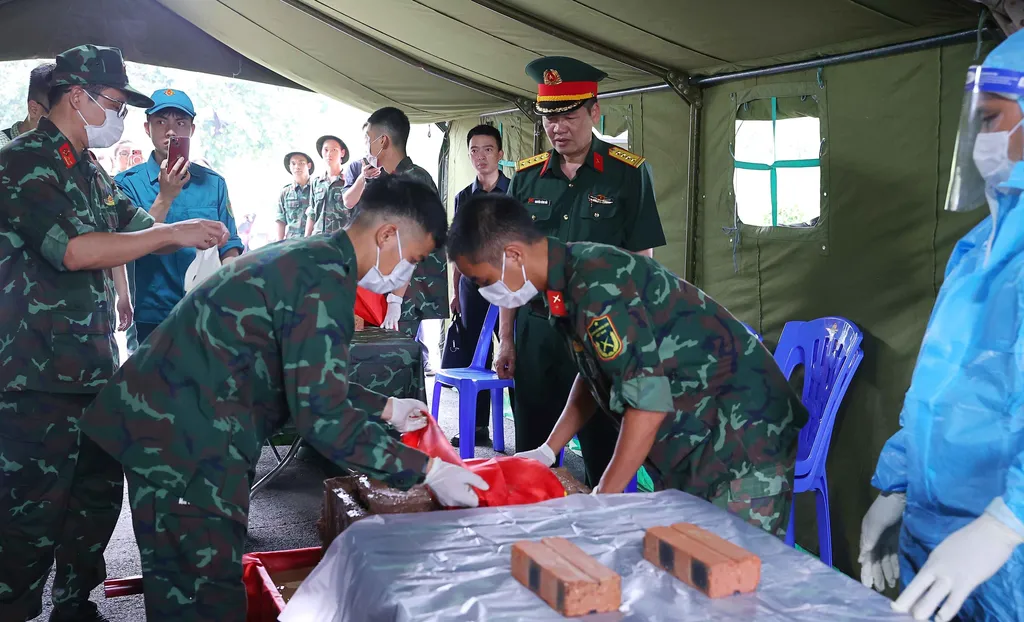
Each team includes forensic and military medical officers who collect the samples, one person responsible for records, one who cleans the equipment and another who handles sanitation and disinfection. Local healthcare workers also assist in preparing the documentation.
Sampling requirements are strict. Teams give priority to sections of long bones measuring between five and 7.5 centimetres so they fit into the standard nine-centimetre preservation boxes.
Where the bones are no longer intact, personnel carefully collect any remaining teeth for testing.
Every movement must be gentle and precise to avoid damaging the burial urns or mixing samples. When remains are mixed with mud and soil, the entire contents of an urn are placed on a disinfected plastic sheet and carefully examined for fragments of bone or teeth.
Senior Lieutenant Colonel Trần Minh Tú, Deputy Political Commissar of the 301st Infantry Division, said most of the young soldiers involved were new recruits who had never performed such work.
They initially found the task unfamiliar, but received thorough training and guidance at the site to help them understand its significance.
“With a strong sense of responsibility, gratitude and absolute respect, they have overcome the psychological challenges and harsh weather conditions to carry out this sacred duty,” Tú said.
After samples are collected, the remains and accompanying records are transferred to designated waiting areas based on their positions on cemetery maps.
The graves are then rebuilt to the required standards, ensuring they are durable and dignified before the remains are returned to their original locations. The process also ensures that each grave can be accurately identified when DNA results become available.
Thắng said most of the samples collected at Mai Dịch were of sufficient quality, although a small number had proved difficult to obtain.
“When we obtain a good sample, everyone is delighted and feels re-energised because it brings us closer to identifying the fallen soldier and reuniting them with their family,” he said.
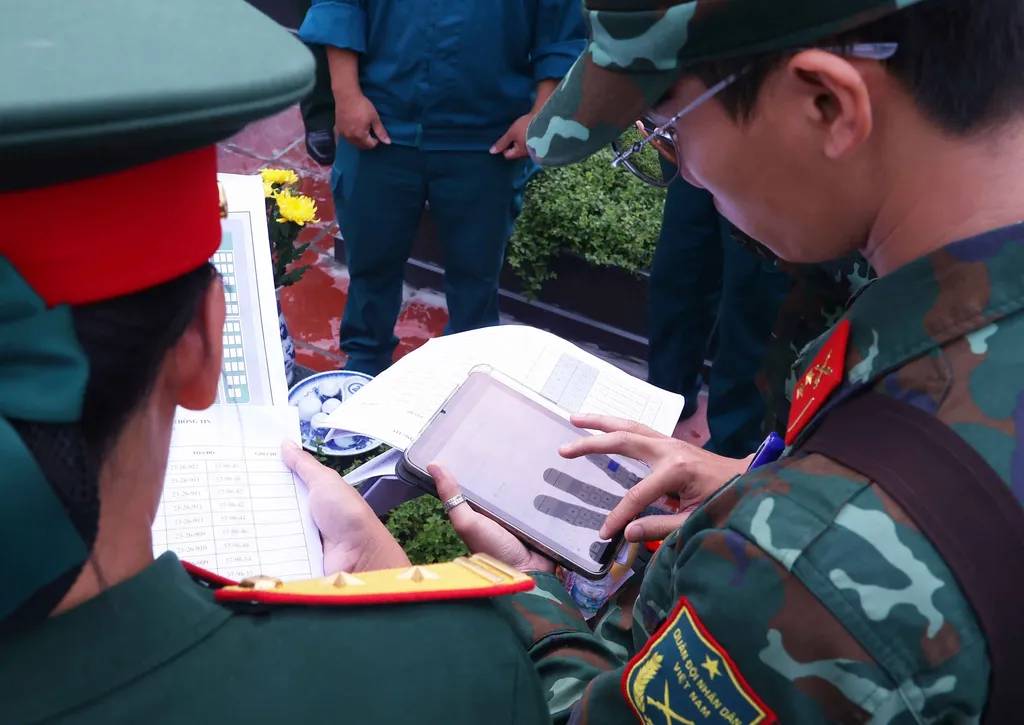 |
| Graves are carefully assigned identification codes before excavation and biological sampling at Mai Dịch Cemetery in Phú Diễn Ward. |
The city will also accelerate the assignment of identification codes to individual graves and martyrs’ cemeteries.
The aim is to build a unified and coordinated information system that supports more effective management and allows families to search for information through the national portal for fallen soldiers.
The campaign has received close attention from central and municipal authorities, with Hà Nội allocating priority resources and securing strong public support.
However, officials said the work remained challenging. Changes in terrain have made it more difficult to verify information, while many graves have been renovated several times and reinforced with complex, permanent structures.
Most of the unidentified remains date back to the resistance war against French colonialism. The long period since their burial has further complicated efforts to obtain viable samples and establish their identities. VNS
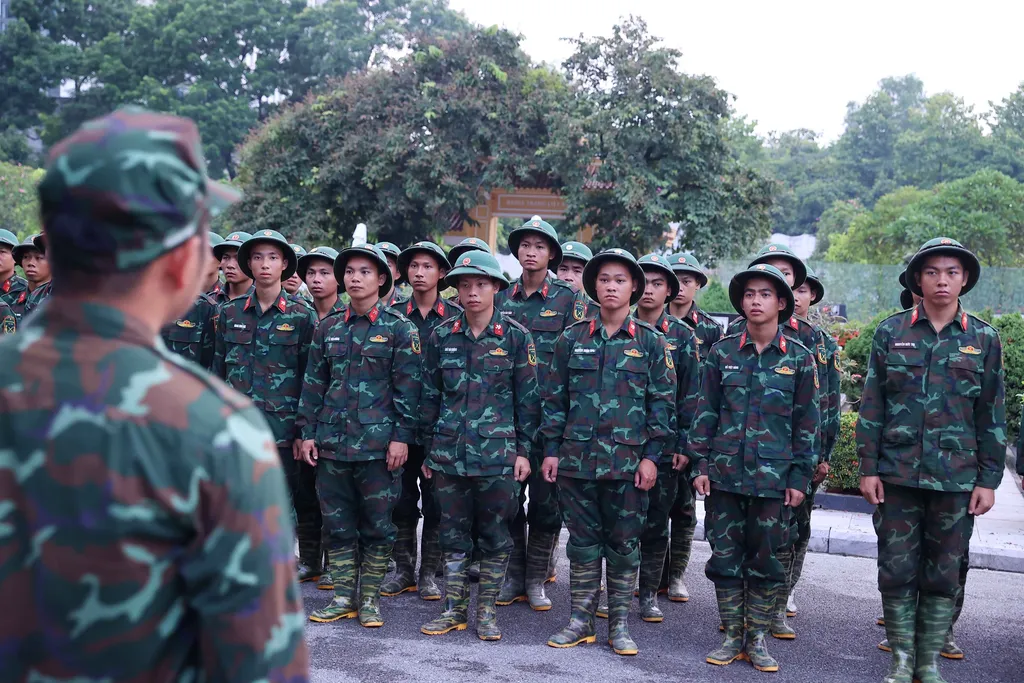 |
| Soldiers take part in the excavation and recovery of fallen soldiers’ remains at Mai Dịch Cemetery in Phú Diễn Ward. |
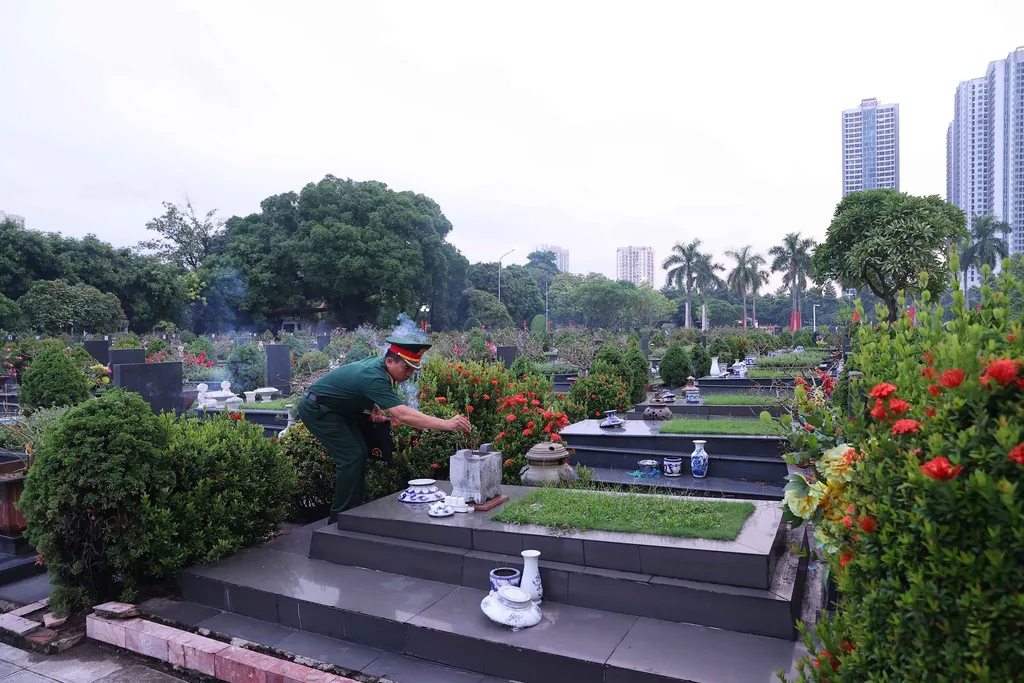 |
| Incense is offered at a fallen soldier’ graves. |
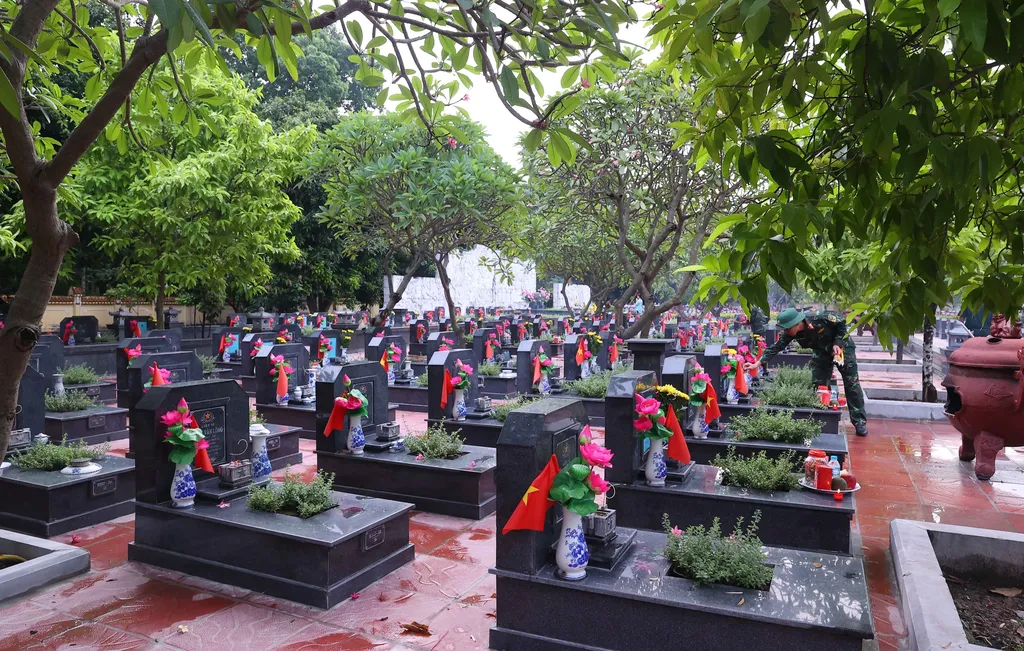 |
| Incense is offered at a fallen soldier’ graves. |
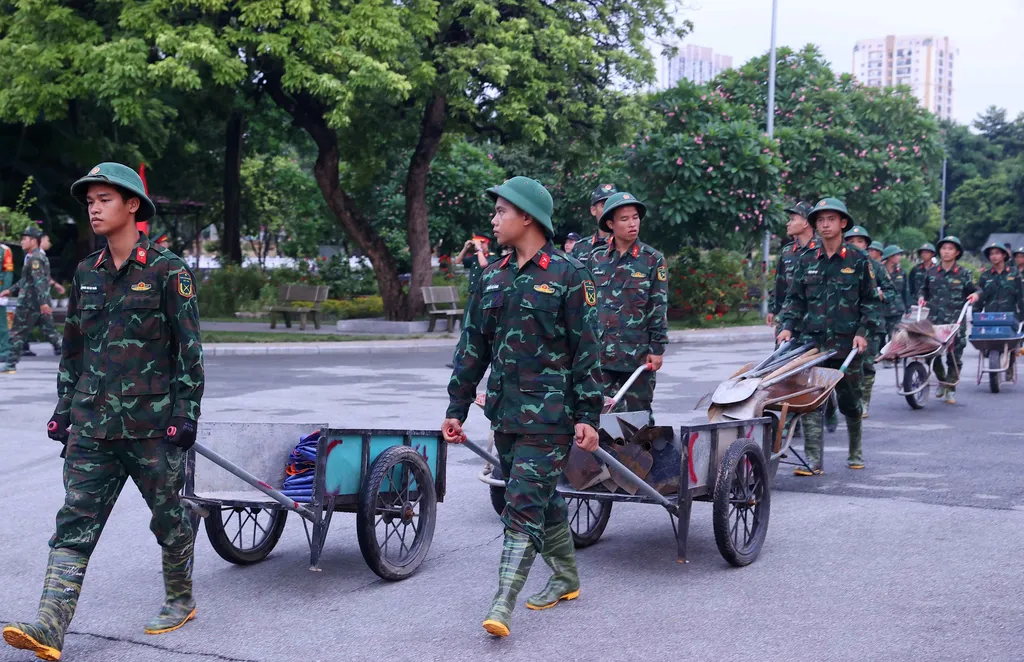 |
| Soldiers take part in the excavation and recovery of fallen soldiers’ remains at Mai Dịch Cemetery in Phú Diễn Ward. |
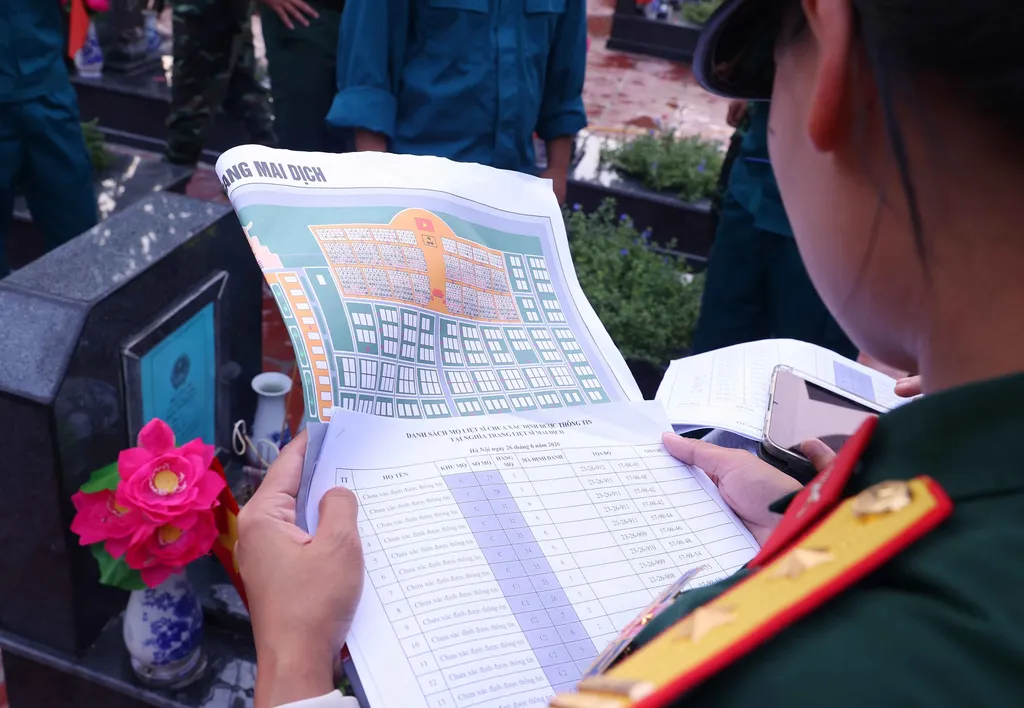 |
| Graves are carefully assigned identification codes before excavation and biological sampling at Mai Dịch Cemetery in Phú Diễn Ward. |
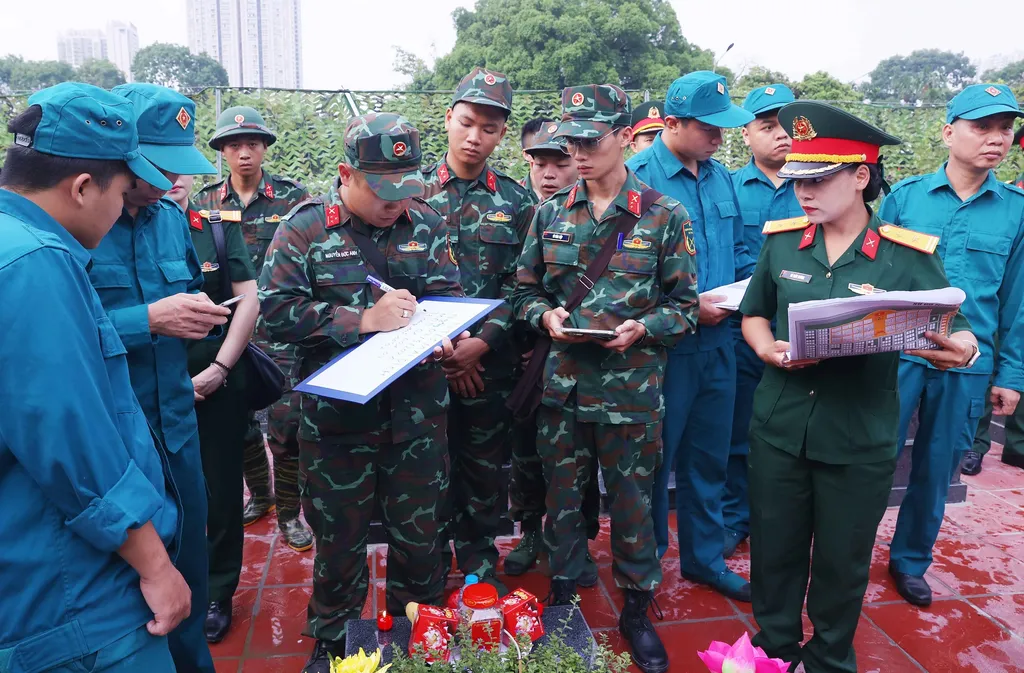 |
| Graves are carefully assigned identification codes before excavation and biological sampling at Mai Dịch Cemetery in Phú Diễn Ward. |
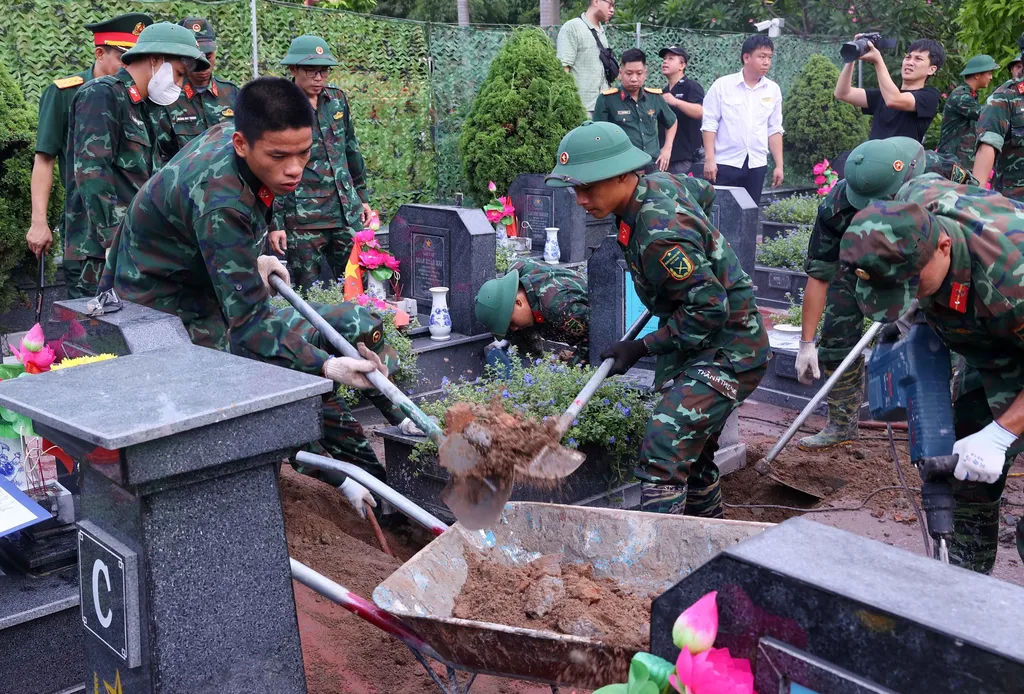 |
| Soldiers from the Hà Nội Capital Command work through intense heat and heavy rain to fulfil their mission. |
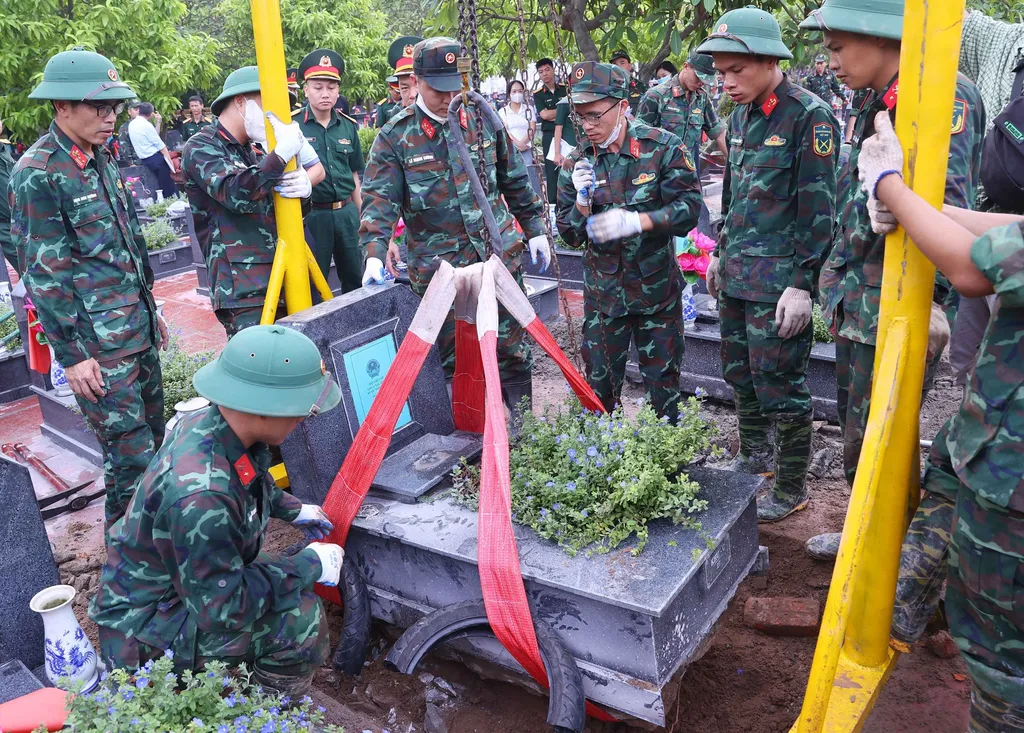 |
| Soldiers from the Hà Nội Capital Command work through intense heat and heavy rain to fulfil their mission. |
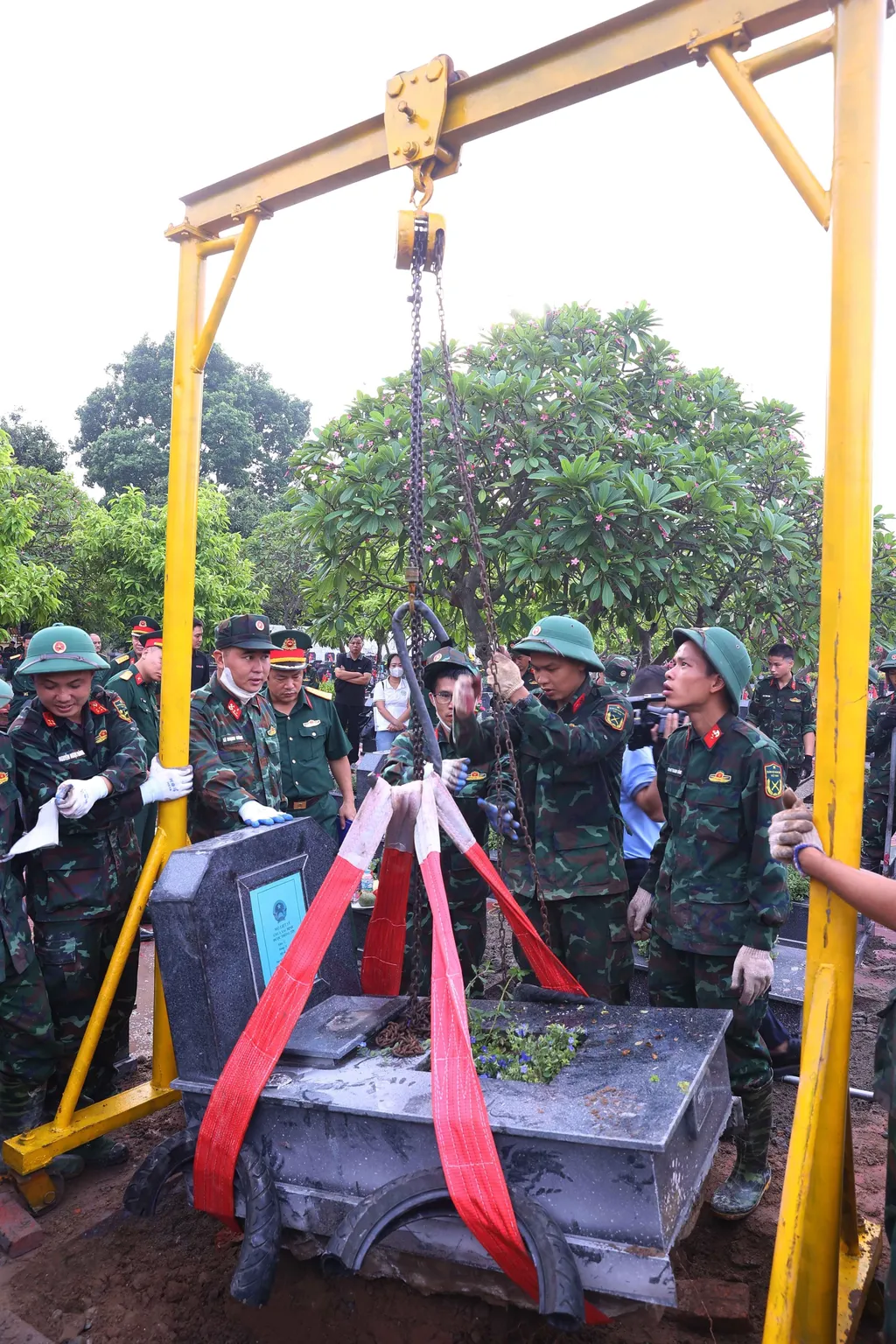 |
| Soldiers from the Hà Nội Capital Command work through intense heat and heavy rain to fulfil their mission. |
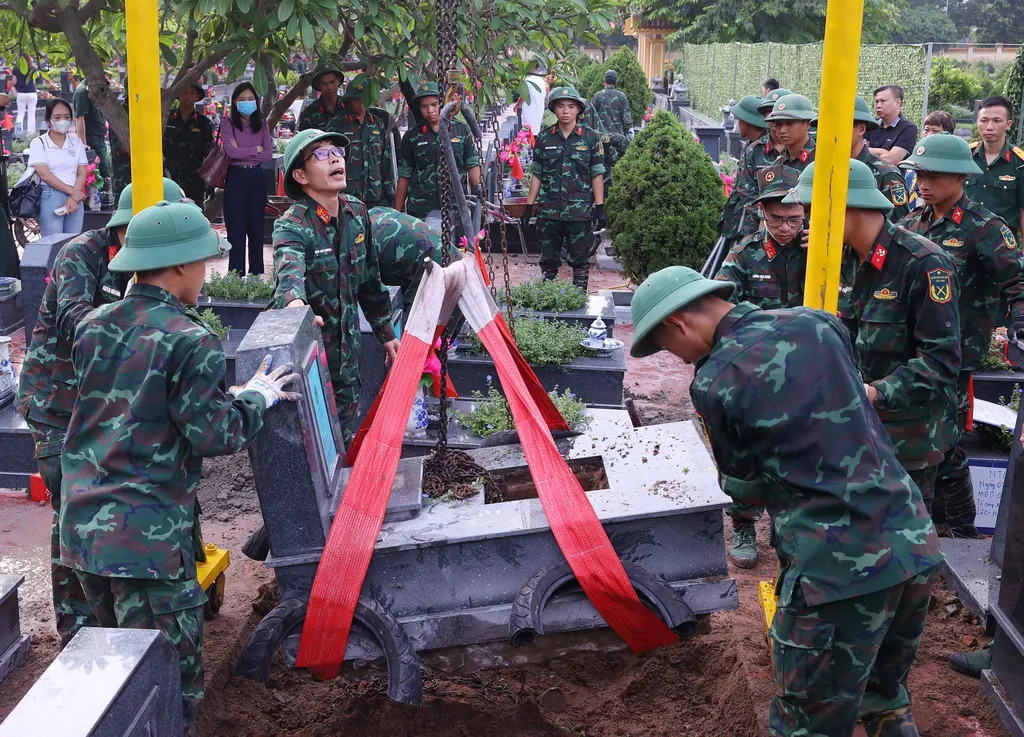 |
| Soldiers from the Hà Nội Capital Command work through intense heat and heavy rain to fulfil their mission. |
 |
| Soldiers from the Hà Nội Capital Command work through intense heat and heavy rain to fulfil their mission. |
 |
| Soldiers from the Hà Nội Capital Command work through intense heat and heavy rain to fulfil their mission. |
 |
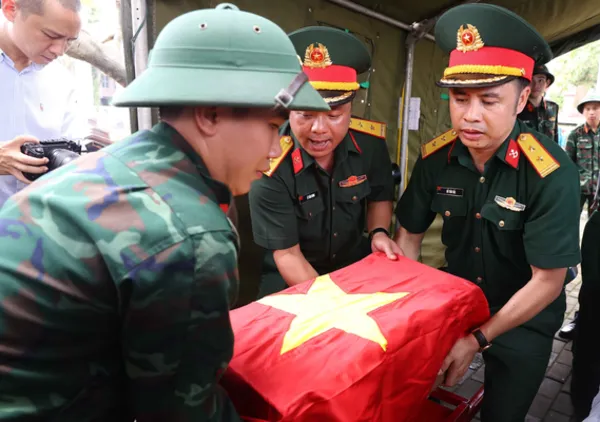
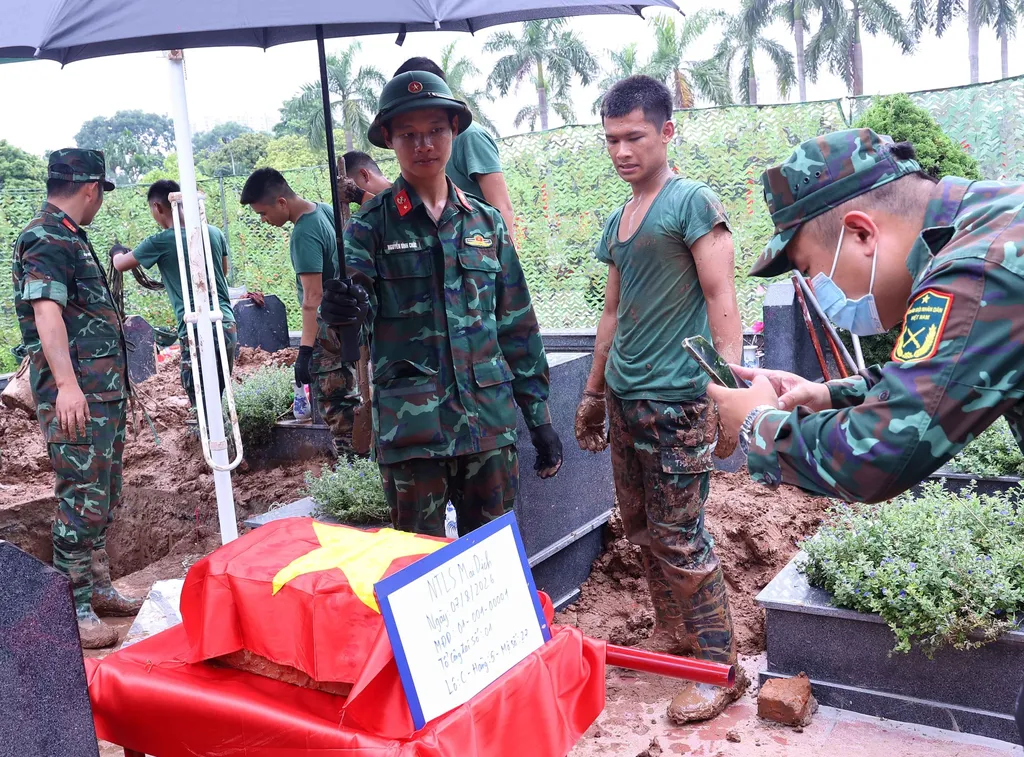
| A solemn ceremony is held to drape the national flag over the remains in tribute to the fallen soldiers who sacrificed their lives for national independence and freedom at Mai Dịch Cemetery in Phú Diễn Ward. |
 |
| A solemn ceremony is held to drape the national flag over the remains in tribute to the fallen soldiers who sacrificed their lives for national independence and freedom at Mai Dịch Cemetery in Phú Diễn Ward. |
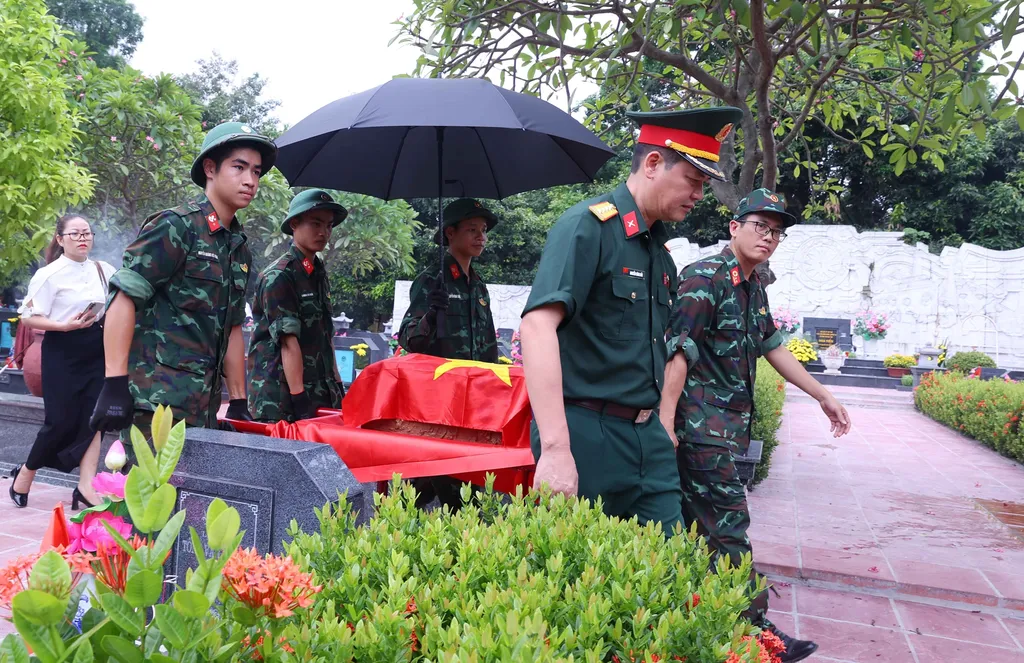 |
| A solemn ceremony is held to drape the national flag over the remains in tribute to the fallen soldiers who sacrificed their lives for national independence and freedom at Mai Dịch Cemetery in Phú Diễn Ward. |