 |
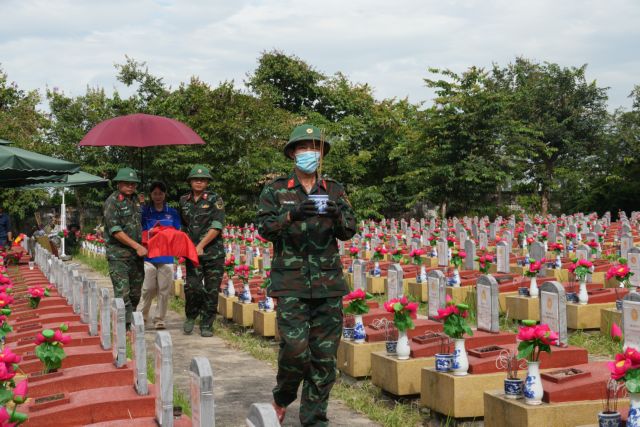
| GOING HOME: The newly recovered remains of a Vietnamese soldier, draped in the national flag, arrive at a war martyrs' cemetery in Nghệ An Province. VNA/VNS Photos Bích Huệ |
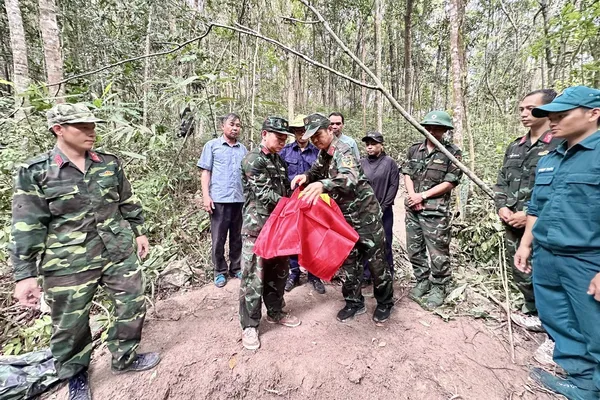
HÀ NỘI — More than 1,400 sets of fallen soldiers’ remains have been recovered and tens of thousands of DNA samples collected in the first four months of Việt Nam’s nationwide 500-day campaign to find, identify and bring home those who have remained missing since the wars.
The progress marks a significant step forward in the country’s largest-ever effort to search for, recover and identify the remains of fallen soldiers whose names and identities have remained unknown for decades.
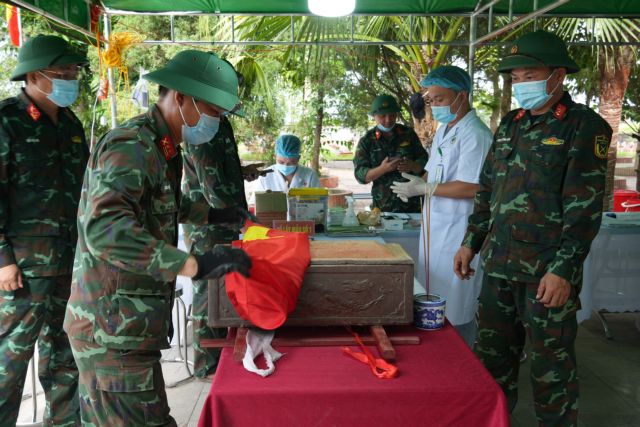 |
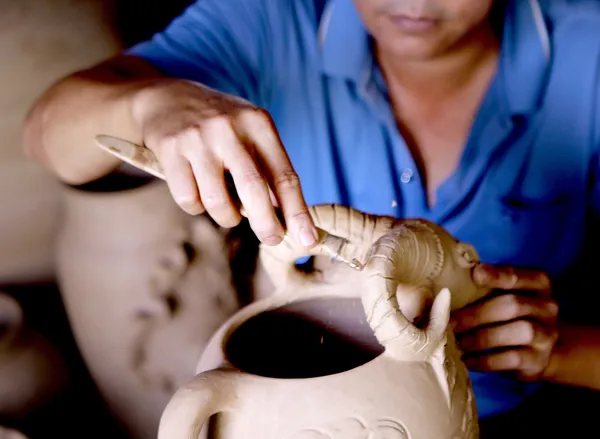
| TEAMWORK: Soldiers' remains are kept in terracotta caskets before being reburied. |
Launched as part of activities commemorating next year's 80th anniversary of War Invalids and War Martyrs’ Day on July 27, the campaign is the largest and most comprehensive initiative ever undertaken to search for, recover and identify the remains of martyrs lacking personal information.
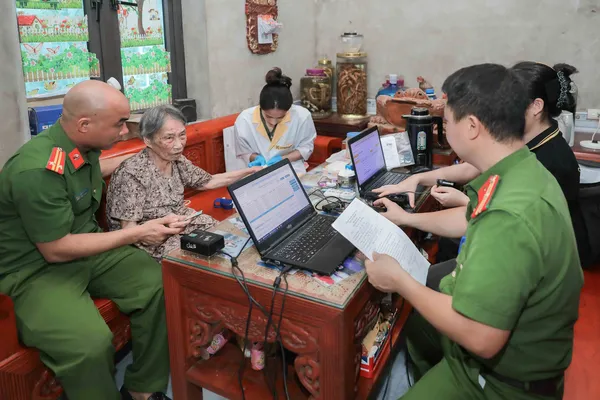
Authorities have collected tens of thousands of DNA samples from both the remains of unidentified soldiers who died in action and their relatives for forensic analysis, creating new opportunities to restore the identities of those who have remained unnamed since the war.
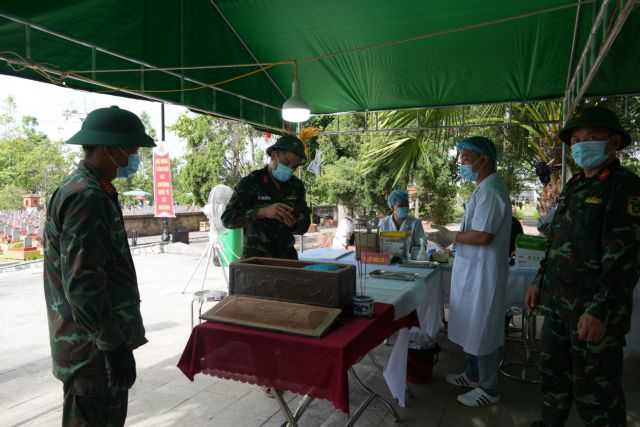 |
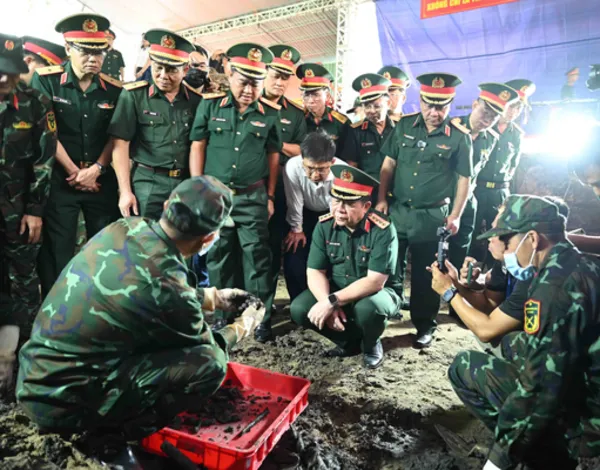
| PAINSTAKING WORK: Authorities have collected tens of thousands of DNA samples from both the remains of unidentified soldiers who died in action and their relatives for forensic analysis. |
A total of 32 search and recovery teams, comprising more than 1,500 personnel, have been deployed for the campaign. Of these, 13 teams are operating across Việt Nam, while 19 others are conducting missions in Laos and Cambodia.
DNA analysis has been identified as one of the campaign’s core tasks, alongside the search and recovery of remains. At the same time, authorities are stepping up the clearance of landmines and unexploded ordnance in areas believed to contain makeshift graves of fallen soldiers to ensure safe excavation and recovery operations.
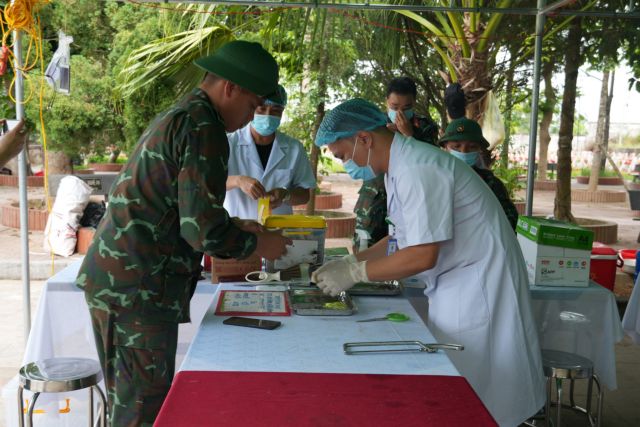 |
| NARROWING DOWN: Medical staff assess whether the remains are suitable for DNA sampling. |
Officially launched on April 2, the initiative aims to recover around 7,000 sets of remains and complete DNA sample collection from approximately 230,000 graves of unknown soldiers nationwide.
The campaign also targets DNA analysis of around 18,000 sets of remains, the establishment and operation of a genetic database of war martyrs’ relatives, and the completion of mine and explosive ordnance clearance in key search areas. — VNS
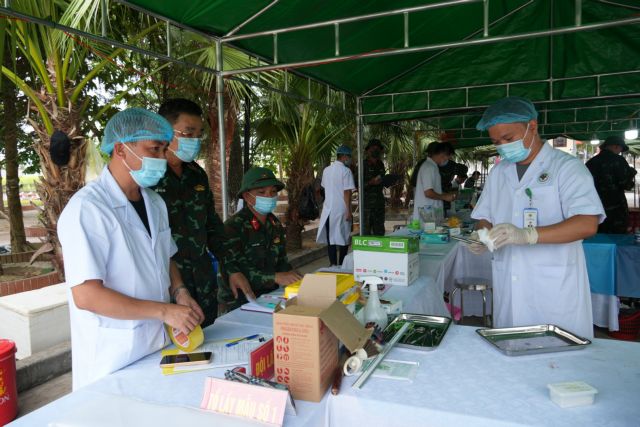 |
| ONE TASK AT A TIME: Each sample of the remains is carefully sealed and sent to a laboratory to help identify the fallen soldier. |
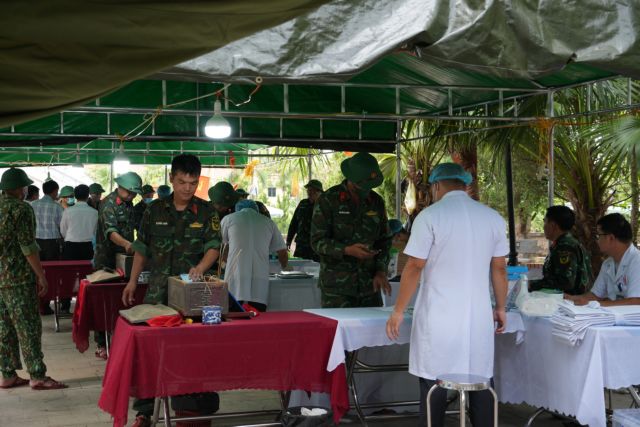 |
| PERSONNEL: Beyond military personnel, the campaign also involves molecular biology and genetic testing experts, record-keeping agencies and local authorities. |
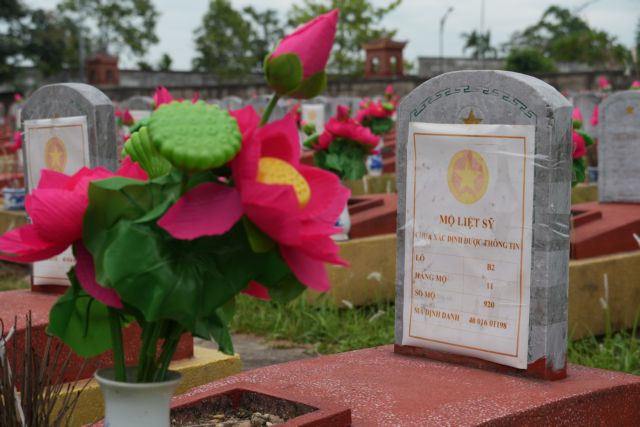 |
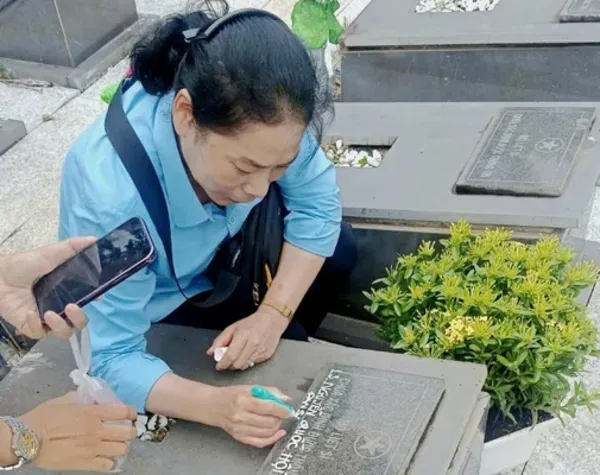
| PAYING RESPECTS: Đô Lương War Martyrs' Cemetery in Nghệ An Province is home to more than 1,300 graves of unidentified soldiers. |
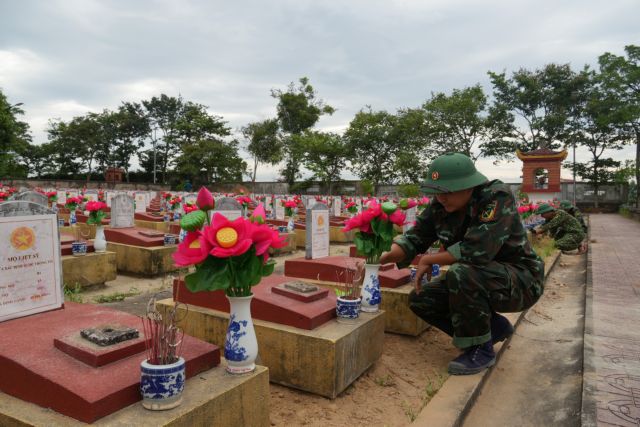 |
| RESTORED: After being opened to collect samples of the remains for DNA testing, this grave is brought back to its original condition the same day. |